Latest Articles
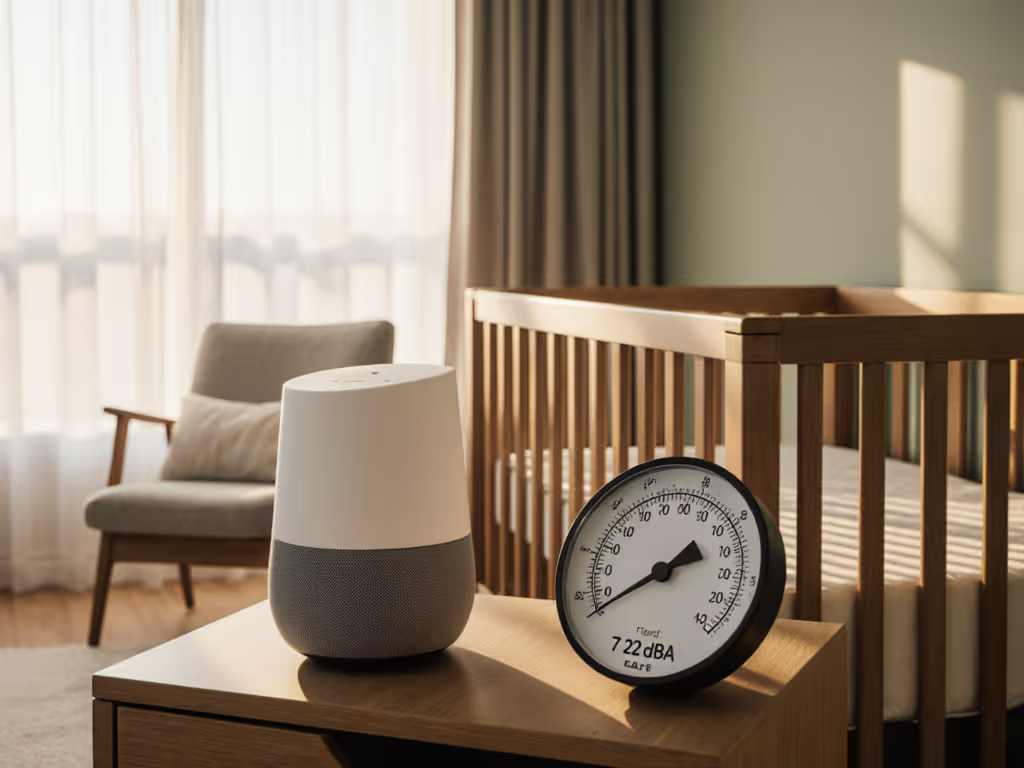
Frida Baby Sound Machine Review: Infant Safety First
Use lab-backed steps to run Frida Baby safely: set 44–48 dBA at crib, choose pink noise, disable lights, and learn when a more precise unit is the better buy.
Nanit Sound Machine vs Hatch Rest+: Honest Review
See lab-verified crib-distance tests revealing Hatch's smoother, safer masking and Nanit's niche strengths, plus precise dBA/dBC guidance and use-case advice.
Dreamegg D11 Max vs D3 Pro: Crib-Safe Loop Test
Crib-distance tests cut through marketing to reveal safer settings and sounds, showing D3 Pro's smoother profiles beat D11 Max for infant sleep.
Most Popular
Aquarius Sound Machine Review: Infant-Safe Water Sounds Tested
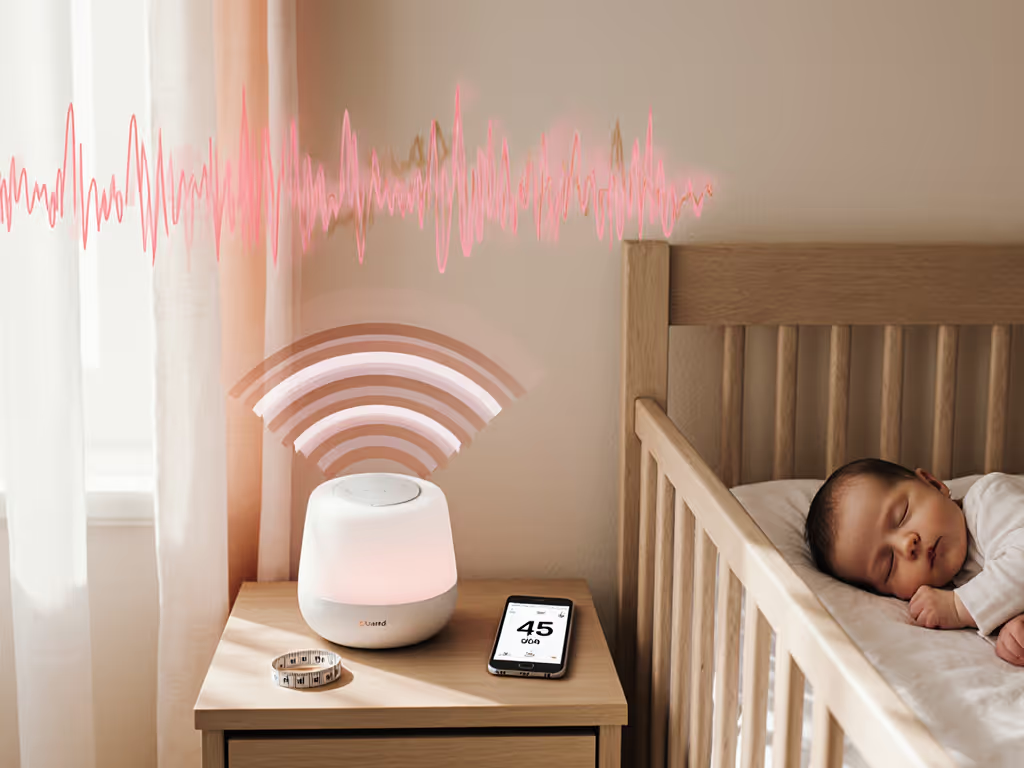
Get evidence-based guidance to keep infant sound safely around 44–46 dBA using the Aquarius’s precise volume steps and vetted water tracks, plus practical room setups and travel tips for consistent sleep.
Hatch Noise Machine Comparison: Mini vs Rest vs Restore
Compare Hatch Mini, Rest, and Restore using lab-tested crib-distance decibel and frequency data, with practical picks for urban nurseries, shared rooms, and travel.
Infant Sound Machine Optimization for Daytime Naps
Optimize an infant sound machine for daytime naps with data-backed guidance: use brown/pink noise, verify 45–50 dBA at the crib, choose 45+ minute non-repeating loops, and position the device to mask daytime noise in small spaces. Apply stage-based sound profiles and gradual weaning to extend nap continuity while avoiding LED glow and sudden volume jumps.
Portable vs Stationary Sound Machines: Crib-Safe Guide
Use crib-distance SPL measurements - not box specs - to choose and place portable or stationary sound machines that protect infant hearing. Get practical safety checks, pitfalls to avoid (volume jumps, bass peaks, loop artifacts), and model/placement tips for home and travel.
Browse by Category

Core understanding of baby sound machines, including how white noise works, differences between noise colors, and safe usage guidelines.

Practical guidance for implementing and optimizing sound machines—sleep training, customization, scheduling, and fixing common problems.

Recommendations and advice tailored to newborns, toddlers, and babies with specific sleep challenges (colic, reflux, sensory), plus age-based usage guidance.

Solutions based on where and how you use sound machines—portable vs stationary, best for travel, and co-sleeping/shared room arrangements.