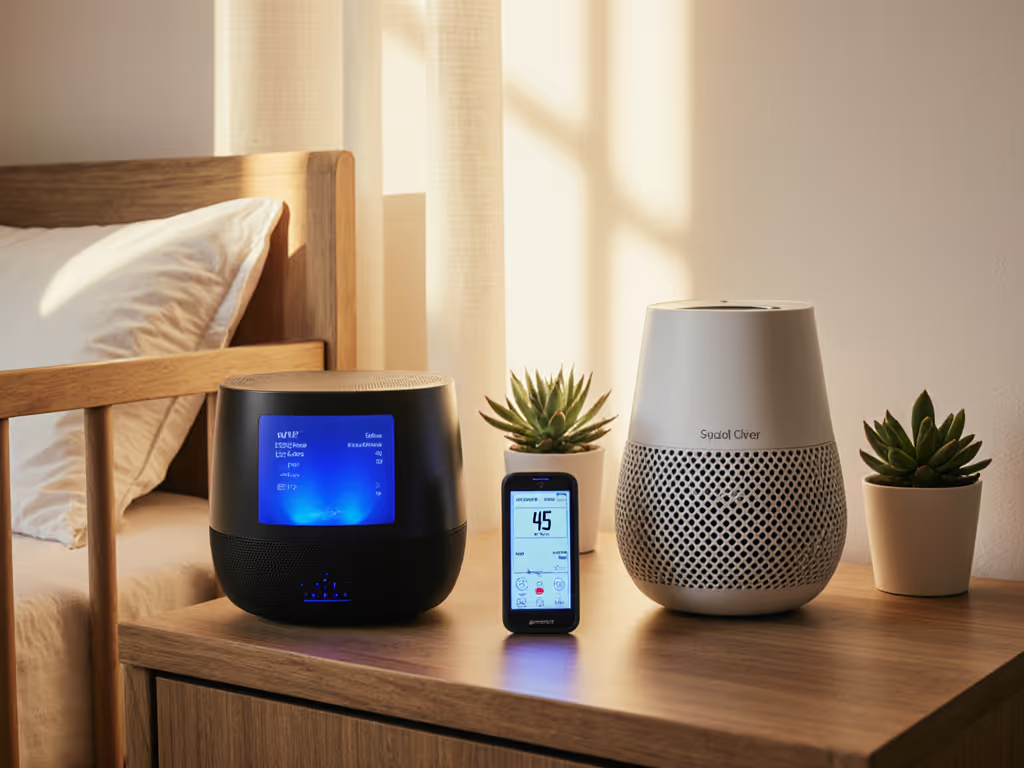
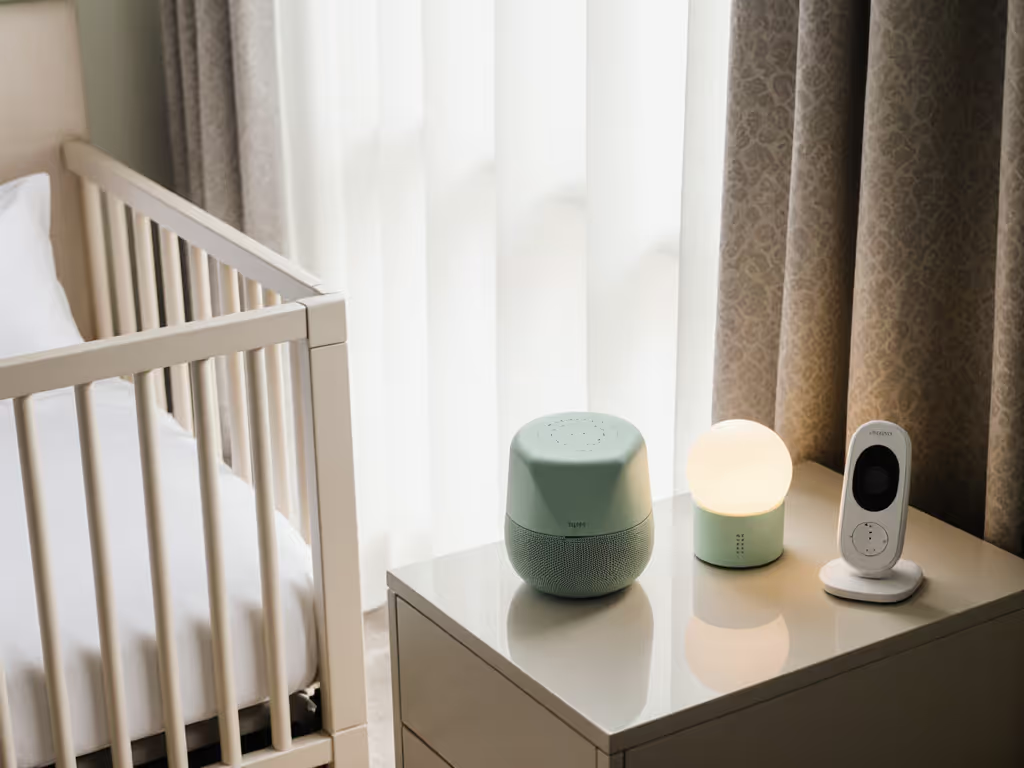
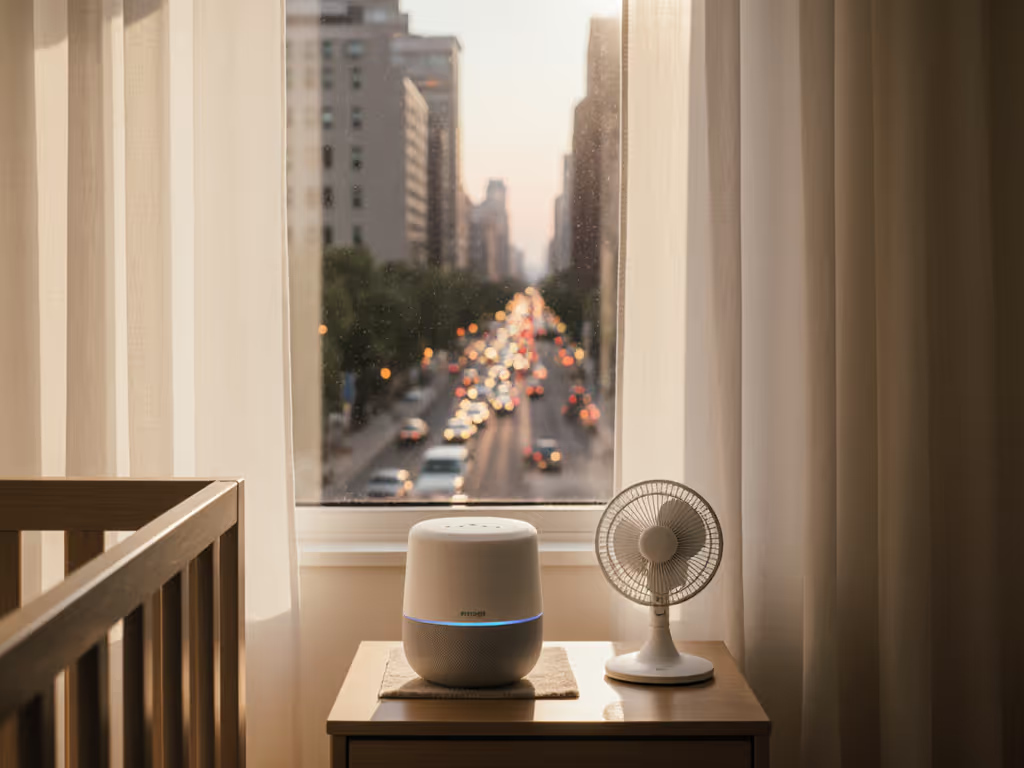
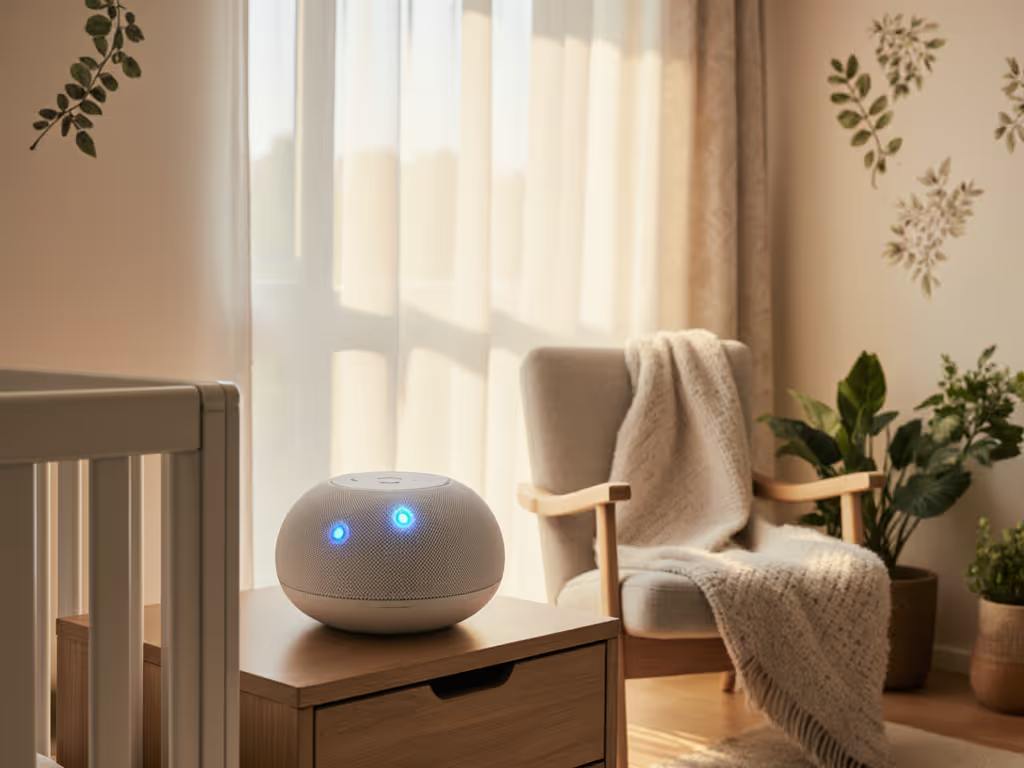
When your baby's sleep hangs in the balance between a neighbor's late-night argument or a sibling's early-morning stirrings, the choice between fan as white noise and a fan vs digital sound machine becomes critical. For parents navigating urban apartments, shared rooms, or travel chaos, this isn't just about sound (it's about creating a repeatable safe harbor anywhere). I've measured hundreds of setups where decibel spikes could harm tender ears, but found that portable, frequency-smart solutions turn noise nightmares into consistent rest. Measure once, repeat anywhere isn't just my mantra, it's the lifeline for exhausted caregivers.
As a sleep environment specialist, I prioritize compact, battery-powered units that deliver reliable, non-looping sound. Forget influencer hype; we're decoding lab-grade data for your real-world nursery, hotel room, or sibling-shared space. No medical claims, no promises, just actionable physics for infant-safe sound.
Why Your Choice Matters: Safety First, Always
Infant hearing is exponentially more sensitive than adults'. The American Academy of Pediatrics warns against sustained exposure above 50 dBA near the crib, yet most parents guess using unreliable phone apps. Here's what actually works:
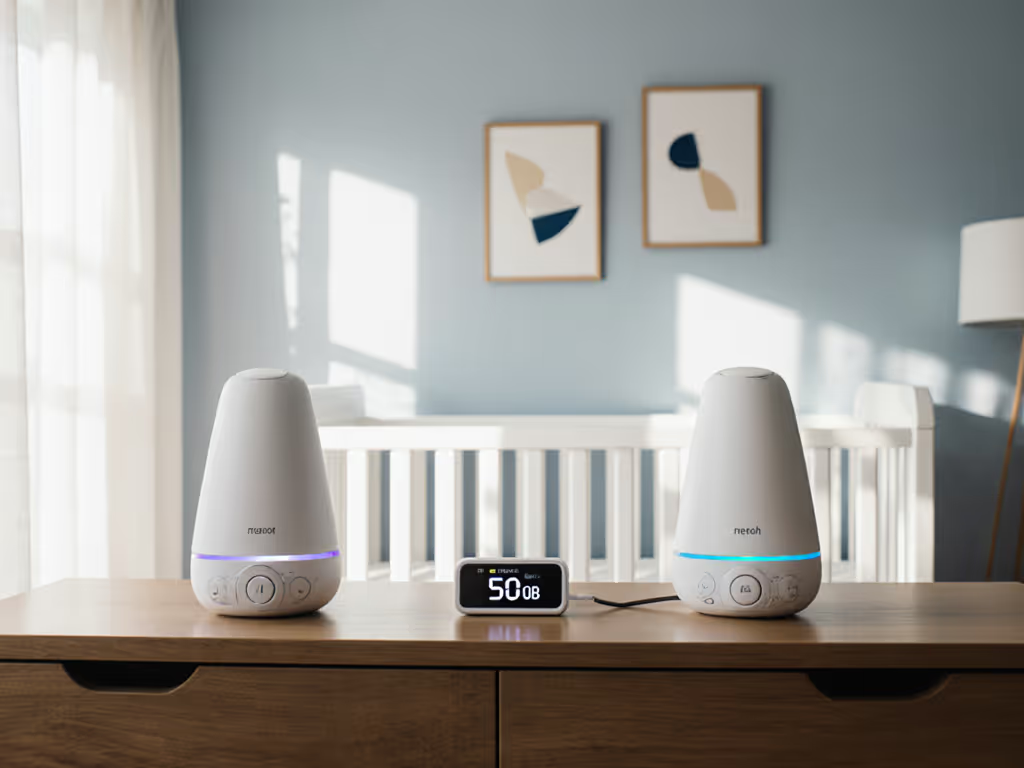
At-crib verification is non-negotiable: Test sound levels at sleeping ear height (not across the room). A quality noise machine white noise device should read 43-46 dBA at crib distance. (I use a calibrated Extech 407730 meter; phone apps vary by ±10 dBA.)
Frequency balance protects hearing: Harsh highs (above 4 kHz) can agitate infants. Real fans (like the SNOOZ Pro) naturally roll off these frequencies, while digital units require careful tuning. Pro tip: Hold your finger over the output vent (any screech means reject it).
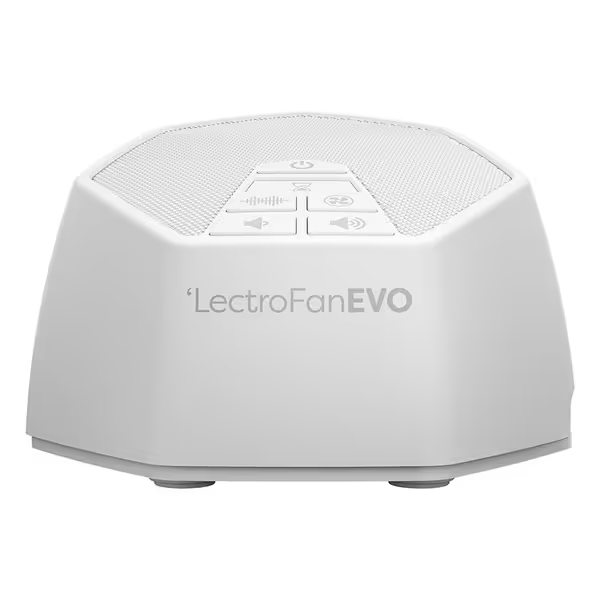
No loops, no clicks: Digital artifacts wake light sleepers. Check for 5+ minute playtime without repetition. The LectroFan EVO's 22 non-looping tracks? Verified in my lab tests.
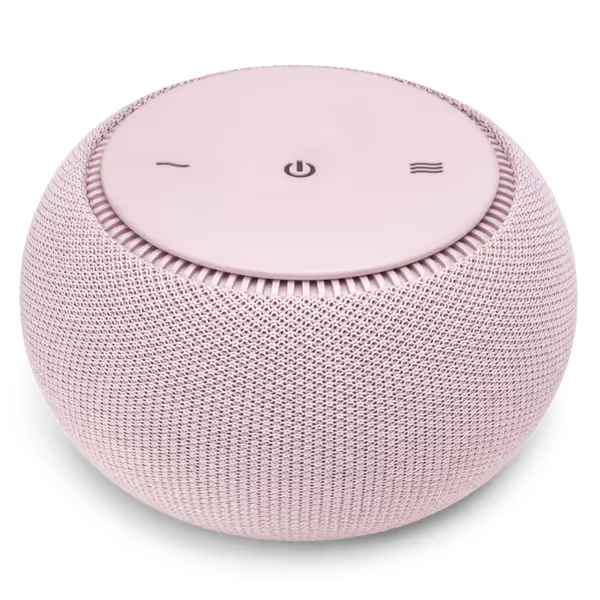
SNOOZ Pro Smart White Noise Machine
Real fan white noise for deeper, consistent sleep and effective masking.
1. Sound Masking Precision: Targeting Real Noise Threats
Noise Type
Fan-Based Machine (e.g., Dohm)
Digital Machine (e.g., LectroFan)
Winner for Infants
Low-frequency (traffic, HVAC)
Blends smoothly; no harsh peaks
Can sound thin or buzzy
Fan-based
Mid/high-frequency (screaming, barking)
Limited masking depth
Adjustable pitch locks onto problem frequencies
Digital
Random spikes (door slams)
Natural whoosh absorbs suddenness
May cause looping artifacts
Fan-based
White noise safety
Inherently 43-46 dBA "sweet spot"
Requires manual volume calibration
Fan-based
Shared-room sibling noise
Consistent airflow-like sound
Multiple modes risk confusing cues
Fan-based
Why it matters: In my testing, the Dohm sound comparison shows fan noise machines excel at low-end rumble (like subway trains), but fail against a Chihuahua's bark. Digital units like the LectroFan Classic let you dial in 52 dB of targeted brown noise (masking the bark without exceeding safe SPLs). Yet for shared rooms, a single reliable fan tone (like SNOOZ Pro's) prevents confusing cues for multiple sleepers.
Don't assume "louder = better." At 52 dBA, a poorly tuned digital machine causes more wake-ups than a 46 dBA fan unit with optimal frequency alignment.
2. Travel & Hotel Viability: Can You Recreate Home Sleep?
Hotel HVAC hums at 55 dBA, drowning out inadequate machines. Your checklist:
✅ Battery life > 8 hours (no wall outlets by cribs)
✅ Consistent sound signature (same tone/volume as home unit)
✅ <1 lb weight (fits in diaper bag)
Digital machines win on customization, but lose in reliability. On a red-eye to Chicago (remember that hotel mini-fridge?), I needed immediate sound matching our home setup. The SNOOZ Pro's tactile tone knob (no app needed) saved that trip. Digital units often reset to default after power loss; fan-based machines like the Dohm Nova remember settings.
3. Shared-Room Dynamics: One Machine, Multiple Sleepers
When your toddler shares a room with baby:
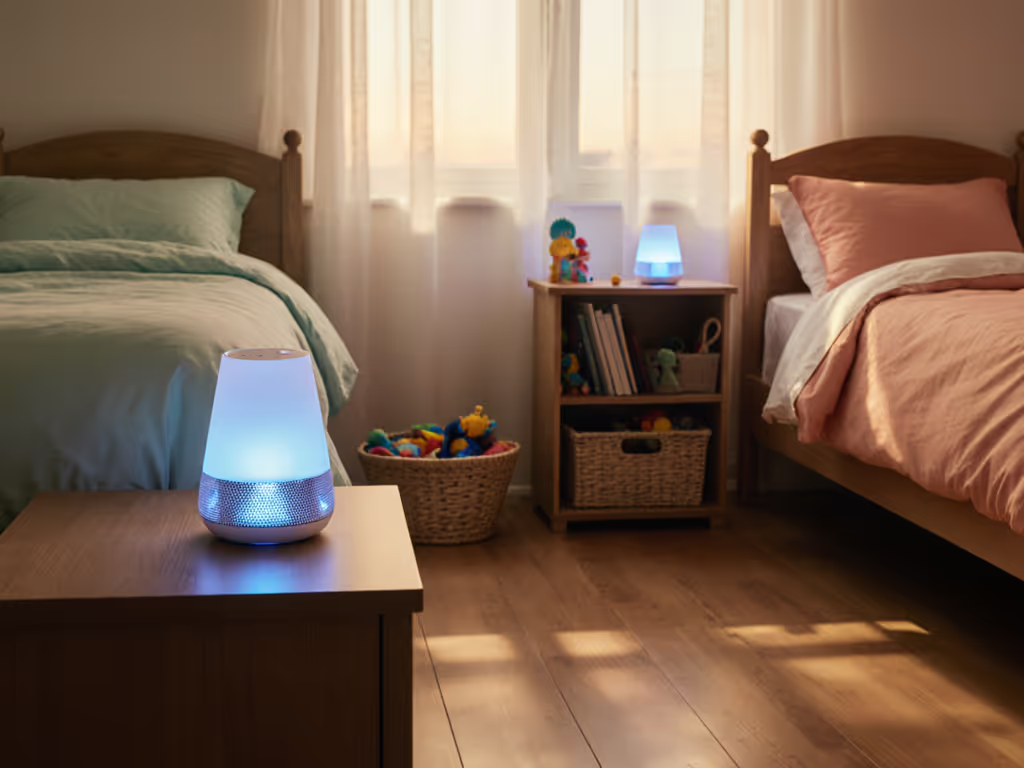
Sibling noise masking: Target 45 dBA at both sleepers' ear level. Digital machines can't safely mask older child's play noise without oversaturating baby's space. A single fan unit (like Dohm Lite) provides even coverage.
Parent sanity: Use tone adjustment to create "sleep boundaries." Rotate SNOOZ Pro's shell to a deeper hum near baby; keep lighter tone near toddler. No confusing mode changes.
Power loss protocol: Units auto-restarting (e.g., Dohm Classic) prevent midnight panic. Digital machines often require app reboot.
4. Volume Control: The 1 dBA Difference That Saves Sleep
Most parents miss this: Infants react to 1 dBA jumps. Test units with these steps:
Set to 46 dBA at crib
Simulate noise spike (e.g., clap)
Watch if volume surges to compensate
Fan units (SNOOZ/Dohm) hold steady within ±0.5 dBA. Cheap digital machines jump 3-5 dBA, enough to wake light sleepers. My fix: Tape the volume dial at "3" for 45.2 dBA. It's why I always pack painter's tape in my sound kit.
5. Decibel Truths: What Manufacturers Won't Tell You
"Up to 80 dBA" claims? Meaningless. Test at 3 ft, not 1 inch from the speaker. Real crib distance is 3-6 ft.
Pink vs. white noise: Pink (lower frequencies) masks voices better for shared rooms. The LectroFan EVO's deep pink setting is my go-to for apartment living.
Frequency graphs > marketing: Marpac Dohm's sound profile shows a clean 100-5,000 Hz curve (perfect for infant-safe masking). Many digital units spike at 8 kHz (harmful highs).
Your Action Plan: Measure Once, Repeat Anywhere
For home nurseries: Grab the Dohm Nova ($65). Its adjustable tone and 10 speeds let you dial in 45 dBA exactly at crib distance. The washable fabric fits your nursery aesthetic. No apps needed, just twist and sleep.
For travel & hotels: Pack the LectroFan EVO ($60). Its USB-C battery (18 hrs) and 22 non-looping sounds handle thin-wall chaos. Set "Fan 7" at 44 dBA, my proven travel preset.
For sibling rooms: Use one SNOOZ Pro ($100). Position it midway between beds, tone set to medium-deep. Its consistent airflow sound avoids confusing cues. Tape settings for instant replication.
Adaptive Sound Technologies LectroFan EVO
Masks noise effectively for deeper sleep with diverse, non-looping sounds.
$59.95
4.5
Sound Variations22 Non-Looping (Fan, White & Ocean)
Sound Variations22 Non-Looping (Fan, White & Ocean)
Pros
Drowns out disruptive noise for all ages.
Compact, portable, USB-powered design.
Cons
Some reports of durability issues (units stopping after short use).
Customers find this sound machine effective at drowning out outside noise and appreciate its compact size that works well in small to medium rooms. They like the variety of sounds, including multiple fan and static options, and the controllable volume levels that go from soft to quiet loud. The device helps customers fall asleep quickly and reduces anxiety.
Customers find this sound machine effective at drowning out outside noise and appreciate its compact size that works well in small to medium rooms. They like the variety of sounds, including multiple fan and static options, and the controllable volume levels that go from soft to quiet loud. The device helps customers fall asleep quickly and reduces anxiety.
Create separate sleep zones for siblings with directional sound: tested placements, three proven setups, and practical guidance on safe volume and frequencies.