
7 Essential Tips for a Complete Sleep Safety Checklist
By Hana Suzuki • 30th Oct
Did you know that following safe sleep practices has cut infant sleep-related deaths by nearly 50 percent since the 1990s? Parents have more power than ever to protect their babies from preventable sleep hazards. Small changes in your daily routine like sleep position and crib setup can make a life-saving difference. Learn which safety steps matter most so your little one can rest securely every night.
Quick Summary
| Takeaway | Explanation |
|---|---|
| 1. Always place baby on their back to sleep. | Back sleeping significantly lowers the risk of Sudden Unexplained Infant Death (SUID) and promotes better airway control. |
| 2. Use a firm and flat sleep surface. | A firm mattress without soft bedding reduces the risk of suffocation and ensures safety for your infant during sleep. |
| 3. Keep the crib free of toys and loose items. | An empty crib minimizes suffocation hazards, ensuring clear breathing space for your baby while they sleep. |
| 4. Maintain an ideal room temperature of 68-72°F. | Proper temperature regulation prevents overheating or being too cold, promoting peaceful sleep and avoiding health risks. |
| 5. Regularly check for product recalls. | Staying informed about product safety ensures you are aware of any potential risks to your baby's wellbeing. |
1. Place Baby on Back for Every Sleep Time
Every parent wants their baby to sleep safely and soundly. The most critical step in protecting your infant during sleep is consistently placing them on their back for all sleep times.
Research from Johns Hopkins Medicine reveals that back sleeping significantly reduces the risk of Sudden Unexplained Infant Death (SUID). When babies sleep on their backs, they have better airway control and less risk of suffocation compared to side or stomach positions. This simple practice has been a game changer in infant safety.
Implementing back sleeping is straightforward:
- Always place your newborn flat on their back in the crib
- Use a firm mattress with no soft bedding or loose items
- Ensure the sleep surface is clear and unobstructed
The data speaks volumes. Since recommendations for back sleeping were introduced in the 1990s, infant death rates have dramatically decreased by approximately 50%. This single practice has saved countless young lives.
While some babies might initially seem less comfortable on their backs, persistence is key. Most infants quickly adapt to this sleeping position. If your baby struggles, consult your pediatrician for personalized guidance.
Remember: Back is best. Every nap. Every night. No exceptions.
2. Use a Firm and Flat Sleep Surface
When it comes to infant sleep safety, the surface where your baby rests is just as crucial as their sleeping position. A firm and flat sleep surface provides the foundation for safe and comfortable infant rest.
Safety approved cribs with rigid mattresses are more than just furniture they are protective environments that significantly reduce risks of suffocation and sudden infant death. Soft or plush surfaces can potentially compromise an infant's breathing by allowing their face to sink in or trap dangerous pockets of carbon dioxide.
Practical implementation involves several key strategies:
- Select a crib mattress that is firm and fits snugly
- Ensure no gaps between mattress and crib walls
- Remove soft bedding, pillows, or cushioned items
- Use a tight fitted sheet designed for infant mattresses
Research from pediatric safety experts consistently recommends against using soft surfaces like adult beds, couches, or cushioned areas for infant sleep. Babies lack the muscle control to reposition themselves if their breathing becomes restricted. A firm surface provides immediate resistance and helps maintain a clear airway.
Parents should also inspect the sleep surface regularly. Look for any signs of wear or sagging that might compromise the mattress firmness. Replace mattresses that show significant deterioration or no longer provide a completely flat support.
Bottom line: A firm flat surface is not a luxury it is a critical safety requirement for your infant's sleep environment.
3. Keep Crib Free of Toys and Loose Bedding
A clean and clear crib is a safe crib. Babies are curious explorers who can quickly turn adorable soft items into potential safety hazards during sleep.
Empty cribs save lives. Soft toys blankets and loose bedding might seem comforting but they significantly increase suffocation and entanglement risks for infants. When babies cannot yet control their movements they can accidentally press their faces against soft materials blocking their airway.
Practical steps for maintaining a safe sleep environment include:
- Remove all stuffed animals before bedtime
- Use a fitted sheet only on the mattress
- Avoid crib bumpers completely
- Keep blankets and pillows out of the sleeping area
Research from pediatric safety organizations consistently demonstrates that an uncluttered crib dramatically reduces infant sleep related deaths. What might look cute and cozy to parents can be life threatening for babies who lack neck strength and independent movement.
Temperature regulation is often a parent concern when removing blankets. Instead of loose coverings use wearable sleep sacks or lightweight infant sleep clothing designed to keep babies comfortable without introducing suffocation risks.
A good rule of thumb: If an item is not part of the mattress or fitted sheet it does not belong in the crib. Your baby needs a clear breathing space more than decorative accessories.
Safety trumps aesthetics. An empty crib is a protected crib.
4. Maintain a Comfortable Room Temperature
Temperature plays a critical role in creating a safe and restful sleep environment for your infant. Getting the room climate just right can mean the difference between peaceful rest and potential discomfort or health risks.
Ideal room temperatures range between 68 to 72 degrees Fahrenheit. Babies cannot regulate their body heat as efficiently as adults do and are more susceptible to temperature fluctuations. Overheating or being too cold can disrupt sleep patterns and potentially increase health risks.
Practical strategies for temperature management include:
- Use a room thermometer to monitor ambient temperature
- Dress your baby in light layers for easy adjustment
- Choose breathable cotton sleepwear
- Avoid overdressing or using heavy blankets
Parents often wonder how to dress their infant appropriately. A good rule of thumb is to dress your baby in one more layer than you would feel comfortable wearing. This approach helps prevent overheating while ensuring your little one stays warm enough.
Watch for signs of temperature discomfort such as sweating or cold hands and feet. These indicators can help you quickly adjust your baby's clothing or room environment. Sleeping bags or wearable blankets can provide consistent warmth without the risks associated with loose bedding.
Remember that every baby is unique. Pay attention to your infant's individual temperature preferences and adjust accordingly. Consistent monitoring and gentle temperature management create a safer sleep sanctuary for your little one.
Comfort equals safety. Keep it cool. Keep it consistent.
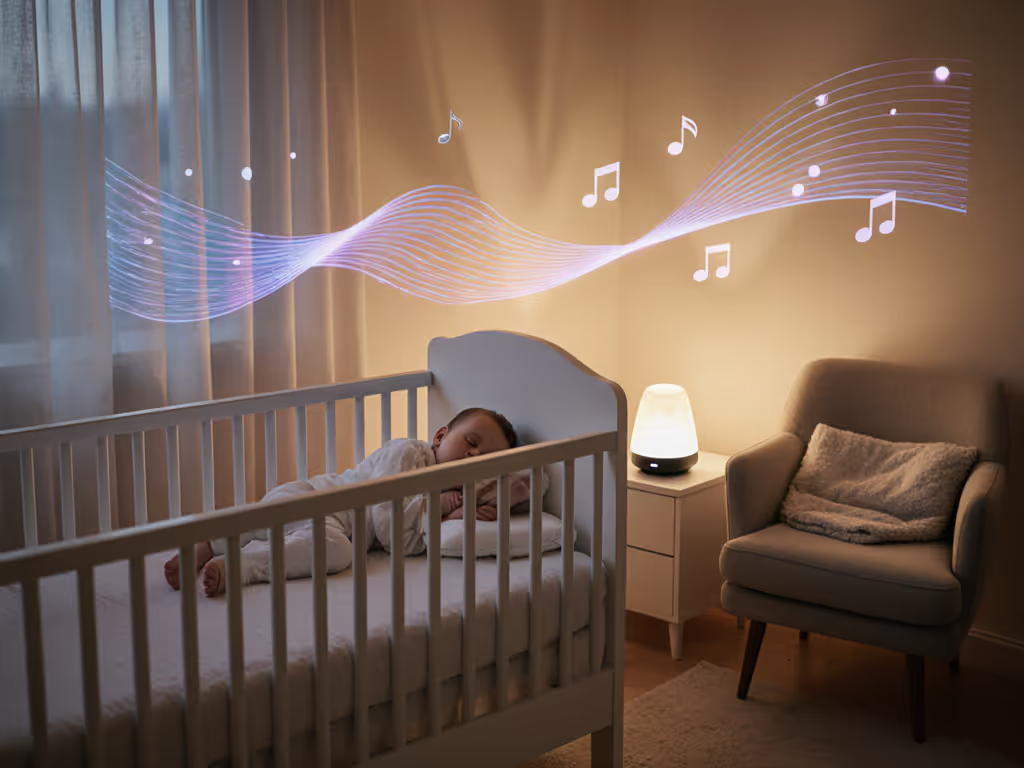
5. Monitor and Reduce Sleep Noise Levels
Sound can profoundly impact your infant's sleep quality and overall rest. Understanding how to create a quiet sleeping environment is crucial for your baby's health and development.
Noise management goes beyond simply keeping things quiet. Babies are sensitive to sound frequencies and sudden audio changes that can disrupt their sleep patterns. Consistent low level background sounds can actually help some infants feel more secure.
Practical noise reduction strategies include:
- Use sound meters to measure room decibel levels
- Place white noise machines at safe distances from the crib
- Minimize sudden loud noises during sleep times
- Create consistent soft background environments
Pediatric sleep experts recommend maintaining sound levels between 50 to 60 decibels. This range mimics gentle environmental sounds without overwhelming an infant's developing auditory system. Think of a quiet conversation or soft rainfall these are ideal sound profiles for infant sleep spaces.
Remove potential noise disruptors like squeaky toys electronic devices with loud notifications or sound producing items near the sleeping area. Consider using soft carpet or sound absorbing materials in the nursery to create a more peaceful acoustic environment.
Parents should also be mindful of their own vocal volumes. Whispering and using soft movements around sleeping infants helps maintain a tranquil atmosphere. Remember that your baby is learning to distinguish between wake and sleep states through sensory experiences.
Quiet environments support healthy sleep. Gentle sounds. Peaceful rest.
6. Share a Room but Not a Bed With Baby
Close proximity can save lives. Room sharing provides critical monitoring opportunities while protecting your infant from potential bed sharing hazards.
Room sharing reduces infant mortality risks by allowing parents to quickly respond to breathing changes or potential complications. The American Academy of Pediatrics recommends keeping your baby in the same room but on a separate sleep surface for the first 12 months of life.
Practical room sharing strategies include:
- Place the baby crib within arm's reach of your bed
- Use a dedicated infant sleep space like a bedside bassinet
- Ensure clear separation between adult and infant sleeping areas
- Remove potential suffocation risks from surrounding surfaces
Research demonstrates that room sharing can reduce sudden infant death syndrome risks by up to 50%. However this benefit only applies when babies sleep on their own separate surfaces. Sharing a bed increases suffocation and entrapment dangers exponentially.
Parents should create a dedicated infant sleep zone that allows visual and auditory monitoring while maintaining safe physical boundaries. Modern bedside bassinets offer excellent solutions that keep babies close yet protected.
Remember that proximity does not mean sharing sleeping surfaces. Your infant needs a clear consistent sleep environment that minimizes accidental contact or potential breathing restrictions.
Stay close. Stay safe. Separate sleeping spaces.
7. Regularly Check for Product Recalls and Standards
Infant product safety evolves rapidly. What seems safe today might be flagged as hazardous tomorrow due to emerging research and critical safety investigations.
Product safety requires constant vigilance. The U.S. Consumer Product Safety Commission tracks potential risks across infant equipment from cribs to rockers revealing unexpected dangers that could compromise infant wellbeing. Recent investigations have uncovered serious safety issues in seemingly routine baby products.
Practical monitoring strategies include:
- Subscribe to CPSC recall notifications
- Check manufacturer websites quarterly
- Register all baby products for direct recall communications
- Verify product safety certifications before purchasing
Historical data illustrates the importance of proactive monitoring. For instance Fisher Price infant rockers were linked to 13 infant deaths between 2009 and 2021. Such statistics underscore why parents must remain informed about potential product risks.
Modern technology simplifies safety tracking. Smartphone apps and email alert systems can provide instant notifications about product safety updates. Parents can also join online parenting communities that quickly share verified safety information.
Recommended resources for staying informed include official government safety websites consumer protection agencies and reputable parenting forums. Remember that manufacturers are not always proactive about communicating potential risks.
Knowledge protects babies. Stay alert. Stay informed.
Below is a comprehensive table summarizing the key strategies for safe infant sleep discussed throughout the article.
| Practice | Implementation | Benefits |
|---|---|---|
| Place Baby on Back | Always put infants flat on their backs for sleep times; use firm mattress with no soft bedding. | Significantly reduces risk of Sudden Unexplained Infant Death (SUID). |
| Use a Firm and Flat Surface | Select a firm, snug crib mattress with no gaps or soft items. | Reduces risks of suffocation and maintains clear airway. |
| Keep Crib Clutter-Free | Remove toys, blankets, and other loose items; use fitted sheets only. | Dramatically decreases suffocation and entanglement risks. |
| Maintain Comfortable Temperature | Keep room between 68-72°F; dress baby in light layers and use sleep sacks. | Ensures comfort and prevents overheating or chilling. |
| Monitor Sleep Noise Levels | Use white noise machines and keep sound levels between 50-60 decibels. | Supports healthy sleep by minimizing disruptions. |
| Room Share, Not Bed Share | Have infant sleep in the same room but on a separate surface. | Reduces SIDS risks by up to 50%. |
| Check Product Recalls | Subscribe to safety notifications and check certifications regularly. | Protects infants from potential product hazards. |
Create the Perfect Soundscape for Your Baby's Safe Sleep
Ensuring your baby's sleep safety means paying close attention not just to positioning and surroundings but also to the sounds around them. This article highlights the importance of monitoring and reducing noise levels to support healthy sleep patterns. If managing the ideal volume and soothing background sounds feels overwhelming, our Acoustic Lab for Little Ears offers the perfect solution with data-driven guides informed by lab-measured decibel profiles and real-home testing.
Don't let uncertain noise levels disrupt your infant's rest or increase stress for you and your little one. Explore our comprehensive resources to find environment-specific sound machines designed to maintain gentle, consistent noise that calms without overwhelming. Take control of your baby’s sleep environment starting today by visiting babysoundmachines.me. Learn how to combine safe sleep practices from the checklist with scientifically backed sound solutions, and give your baby the safe and peaceful rest they deserve.
Discover more about helping your baby sleep soundly by visiting our landing page and start protecting your infant’s sleep quality now.
Frequently Asked Questions
How can I ensure my baby sleeps safely on their back?
To ensure your baby sleeps safely, always place them on their back for every sleep time, including naps and overnight. Make it a habit to check that your newborn is positioned correctly in the crib each time they sleep.
What type of sleep surface is best for my infant?
A firm and flat sleep surface is essential for infant safety. Choose a safety-approved crib with a snug-fitting, firm mattress to reduce the risk of suffocation or sleep-related issues.
Are there any items I should avoid in my baby's crib?
Yes, you should keep the crib free of toys, loose bedding, and soft items like pillows or blankets. Follow the guideline: if it’s not part of the mattress or fitted sheet, remove it from the crib to ensure an unobstructed sleeping area for your baby.
How can I maintain the right temperature for my baby's sleep environment?
Keep the room temperature between 68 to 72 degrees Fahrenheit to ensure your baby is comfortable while sleeping. Use a room thermometer to monitor the temperature and dress your baby in light, breathable fabrics to help regulate their body heat.
What are effective noise management strategies for my baby's sleep space?
To create a peaceful sleep environment, aim to maintain noise levels around 50 to 60 decibels. Consider using white noise machines at a safe distance while removing potential noise disruptors like squeaky toys or loud electronics from the nursery.
Why is room sharing recommended, and how can I do it safely?
Room sharing is recommended to enhance monitoring and reduce risks, but always place your baby on a separate sleep surface like a bassinet. Position the crib within arm’s reach of your bed to maintain visibility and ensure safety by eliminating any items that could pose suffocation risks.
Recommended
Related Articles