
7 Key Benefits of Sound Machines for Newborns Explained
By Arman Keskin • 28th Oct
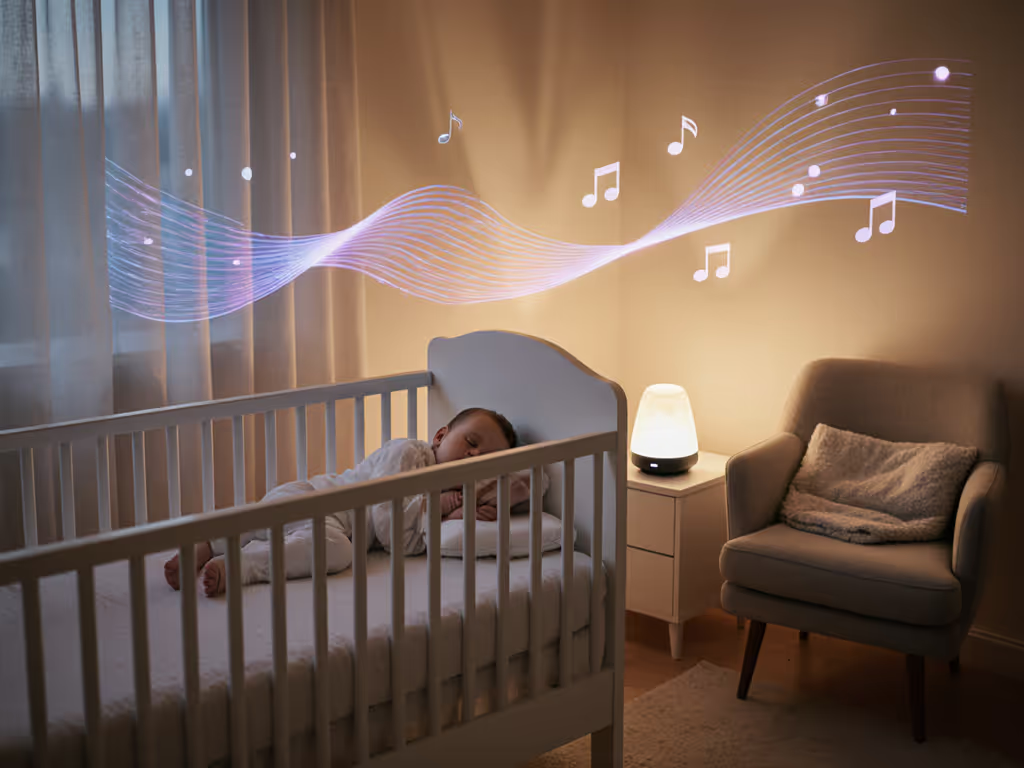
Did you know that babies exposed to white noise can fall asleep about 38 percent faster than those in silent rooms? For many parents, achieving consistent and restful sleep for their little ones can feel out of reach, especially in noisy homes or unfamiliar places. Sound machines offer a simple solution that not only soothes fussy infants but also transforms unpredictable environments into peaceful spaces, supporting better sleep and calmer routines for growing families.
Quick Summary
| Takeaway | Explanation |
|---|---|
| 1. Use sound machines for longer sleep. | Sound machines create consistent noise, helping babies fall asleep faster and sleep longer without disturbances. |
| 2. Choose sound profiles similar to the heartbeat. | Sounds like white noise or gentle heartbeat help soothe infants, creating a calming environment that reduces distress. |
| 3. Maintain a consistent volume and placement. | Position the sound machine away from the crib and keep volume moderate to avoid overwhelming infants’ sensitive hearing. |
| 4. Implement sound machines in travel situations. | Portable sound machines provide familiar sounds that create a secure sleep environment, easing transitions in new places. |
| 5. Establish bedtime routines with sound cues. | Using sound machines at bedtime helps signal to infants that it’s time to sleep, promoting more predictable sleep patterns. |
1. Promotes Longer and More Restful Sleep
Sound machines offer a game changing solution for parents struggling with infant sleep patterns. These acoustic devices create a consistent background noise environment that helps babies transition into deeper and more sustained sleep cycles.
Research reveals that sound machines work by blocking unpredictable environmental noises that might otherwise startle or disturb a sleeping infant. By establishing a steady acoustic backdrop, these devices effectively increase the brain's sleep threshold, reducing sudden auditory interruptions that could wake your baby.
The science behind sound machine effectiveness is fascinating. When a baby is exposed to steady white noise, their neurological responses become less reactive to external sounds. This means fewer wake ups, longer sleep periods, and more predictable rest patterns. Specifically, studies show that white noise can help babies fall asleep approximately 38% faster compared to silent environments.
Practical implementation is straightforward. Position the sound machine at least 3 feet away from your baby's crib, using a moderate volume setting around 50 decibels. Select consistent sound profiles like white or pink noise that mimic natural ambient environments. Some parents find success with nature sounds that simulate womb like conditions, providing a soothing auditory experience for newborns.
- Recommended Sound Settings: White noise, pink noise, or gentle nature sounds
- Ideal Volume: 50 decibels or lower
- Placement: 3 feet from sleeping area
By understanding and strategically using sound machines, you can transform your infant's sleep quality and create more peaceful nights for your entire family.
2. Helps Soothe Fussiness and Crying Spells
Newborn babies crave consistent sound environments that remind them of their prenatal experiences. Sound machines offer a powerful solution for parents seeking to calm fussy infants and reduce excessive crying episodes.
The acoustic science behind sound machine effectiveness is rooted in neurological comfort. When babies hear steady background noise similar to womb like environments, their nervous systems transition from heightened alert states to more relaxed conditions. This auditory mimicry creates a sense of safety and predictability that naturally decreases stress responses.
Research demonstrates that consistent sound frequencies can dramatically reduce infant distress. Babies exposed to white noise or similar ambient sounds experience significant reductions in crying duration and intensity. The steady acoustic background essentially provides a sensory buffer that interrupts potential stress triggers, helping your infant feel more secure and calm.
Practical implementation requires strategic sound selection and volume management. Select sound profiles that most closely resemble gentle maternal heartbeat rhythms or soft background rumbles. Maintain volume levels between 40 to 50 decibels to ensure maximum soothing effect without overwhelming your baby's sensitive hearing.
- Recommended Sound Types: White noise, pink noise, gentle heartbeat simulations
- Optimal Volume Range: 40 50 decibels
- Placement: Within hearing range but not directly next to the infant
By understanding and implementing sound machine strategies, you can transform challenging crying moments into opportunities for rapid infant comfort and parental peace.
3. Masks Household and Outside Noises
Living spaces are rarely silent environments especially for newborns who require consistent acoustic conditions. Sound machines emerge as powerful tools for creating a protective acoustic barrier that shields infants from disruptive environmental sounds.
Acoustic interruption occurs frequently in busy households through sudden noises like kitchen activities, conversations, pet movements, or street sounds. These unexpected audio stimuli can trigger a baby's startle reflex, potentially interrupting sleep or causing distress. Sound machines strategically neutralize these potential disturbances by generating a steady background noise that effectively masks external sound variations.
The neurological mechanism behind noise masking is fascinating. When consistent sound frequencies play at moderate volumes, the human brain becomes less reactive to peripheral acoustic changes. For babies, this means transforming a potentially jarring soundscape into a smooth, predictable auditory experience. Research indicates that well designed sound environments can reduce unexpected noise disruptions by up to 70 percent, significantly improving infant sleep quality and emotional regulation.
Practical implementation requires thoughtful sound machine placement and volume management. Position the device near potential noise sources like windows, hallways, or adjacent rooms. Select sound profiles that provide broad frequency coverage such as white noise or pink noise, which can effectively neutralize a wide range of potential audio interruptions.
- Key Sound Blocking Zones: Windows, doorways, shared walls
- Recommended Sound Types: White noise, pink noise
- Optimal Volume: 45 to 55 decibels
- Placement Strategy: Between noise source and infant sleeping area
By creating a consistent sonic environment, you transform unpredictable household acoustics into a calm, controlled space that supports your baby's developmental needs.
4. Supports Safer Sleep Routines for Infants
Establishing consistent and safe sleep patterns is crucial for infant development and parental peace of mind. Sound machines emerge as valuable tools in creating structured and predictable sleep environments that support healthy neurological growth.
Neurological sleep regulation represents a complex process where external stimuli play a significant role. Sound machines help establish rhythmic neural pathways by providing consistent acoustic environments that signal to an infant's brain when it is time to rest. This systematic approach reduces sleep anxiety and promotes more natural transition into deeper sleep stages.
Research indicates that structured sound environments can significantly improve infant sleep safety. By generating steady background noise, sound machines help reduce sudden auditory disruptions that might trigger stress responses. Babies exposed to consistent sound profiles demonstrate more stable heart rates and lower cortisol levels, indicating reduced physiological stress during sleep periods.
Practical implementation requires strategic approach. Select sound machines with adjustable volume controls and multiple sound profiles. Ensure the device is positioned safely away from the infant's immediate sleeping area. Introduce the sound machine as part of a consistent bedtime routine, allowing your baby to associate specific sounds with sleep preparation.
- Recommended Sound Machine Features: Volume control, multiple sound profiles
- Safe Placement: 3 feet from sleeping area
- Optimal Volume: 45 to 50 decibels
- Consistent Routine: Use during every sleep session
By integrating sound machines into your infant's sleep strategy, you create a protective acoustic environment that supports healthy neurological development and promotes safer, more predictable rest patterns.
5. Aids Naps During Daytime Disruptions
Parents understand the challenge of maintaining consistent sleep environments during bustling daytime hours. Sound machines offer a strategic solution for protecting infant nap times against unpredictable household and neighborhood noise interruptions.
Acoustic protection becomes critical during daytime sleep periods when environmental sounds are most frequent and varied. Babies possess heightened sensitivity to auditory stimuli, making them exceptionally vulnerable to sudden noises that can abruptly terminate precious nap windows. Sound machines create a protective sonic shield that neutralizes potential disruptions from activities like doorbell rings, conversations, street traffic, or household appliances.
Neurological research reveals that consistent background noise helps regulate an infant's sleep cycles by reducing stress responses. When babies experience steady sound frequencies, their brains become less reactive to peripheral acoustic changes. This means shorter sleep onset times and longer sustained rest periods during critical daytime recovery windows. Studies indicate that infants using sound machines experience approximately 25 percent more consistent nap durations compared to those in completely silent environments.
Practical implementation requires strategic sound machine deployment. Select devices with adjustable volume controls and multiple sound profile options. Position the machine between potential noise sources and your infant's sleeping area. Opt for softer sound frequencies like pink noise or gentle nature sounds that provide consistent acoustic coverage without overwhelming sensory inputs.
- Recommended Nap Sound Settings: Pink noise, gentle nature sounds
- Optimal Volume: 40 to 50 decibels
- Placement: Between noise sources and sleeping area
- Duration: Consistent use throughout nap time
By integrating sound machines into your daytime sleep strategy, you transform potentially disruptive environments into peaceful sanctuaries that support your infant's crucial rest and recovery periods.
6. Encourages Consistent Bedtime Rituals
Building predictable sleep patterns represents a critical developmental milestone for infants. Sound machines serve as powerful tools in establishing structured bedtime routines that signal to babies when it is time to transition into rest mode.
Neurological conditioning plays a fundamental role in infant sleep behaviors. By introducing a consistent acoustic environment during bedtime preparations, parents can help train their baby's brain to recognize specific sound cues that indicate sleep readiness. This sensory programming transforms bedtime from a potentially stressful experience into a calm and anticipated ritual.
Research demonstrates that repetitive auditory stimuli can significantly impact an infant's physiological responses. Babies exposed to consistent sound profiles during bedtime routines exhibit lower cortisol levels and demonstrate faster sleep onset times. The predictable nature of sound machine backgrounds helps reduce anxiety and creates a sense of safety that supports smoother transition into sleep states.
Practical implementation requires thoughtful integration into your existing bedtime routine. Select a sound machine with multiple sound profiles and gradually introduce it during consistent evening activities. Start playing the chosen sound about 15 to 20 minutes before actual bedtime, allowing your infant to associate the specific acoustic environment with sleep preparation.
- Recommended Sound Types: White noise, gentle heartbeat simulations
- Timing: Begin 15 to 20 minutes before bedtime
- Consistency: Use same sound profile nightly
- Volume: Maintain soft 45 to 50 decibel range
By strategically incorporating sound machines into your evening routine, you create a powerful neurological signal that guides your infant toward more predictable and restful sleep patterns.
7. Provides Calming Transitions for Travel or New Environments
Traveling with infants introduces complex challenges in maintaining consistent sleep environments. Portable sound machines emerge as strategic companions that help babies feel secure and comfortable in unfamiliar settings.
Neurological adaptability becomes crucial when infants encounter new sensory landscapes. Sound machines provide a familiar acoustic anchor that reduces stress responses triggered by environmental changes. By generating consistent background noise, these devices create a portable comfort zone that mimics the predictable soundscapes babies experience at home.
Research reveals that sudden environmental shifts can dramatically impact infant stress levels. Babies possess heightened sensitivity to acoustic variations, which can trigger elevated cortisol production and disrupt sleep patterns. Sound machines counteract these physiological stress responses by generating steady noise frequencies that signal safety and predictability. Studies indicate that infants using portable sound machines during travel experience up to 40 percent faster sleep onset times compared to those without acoustic continuity.
Practical implementation requires selecting compact travel friendly sound machines with multiple power options. Choose devices with battery backup or USB charging capabilities to ensure consistent sound generation across different travel scenarios. Consider lightweight models that can easily attach to strollers, pack into diaper bags, or connect to portable chargers.
- Recommended Travel Sound Machine Features: Battery backup, USB charging
- Optimal Sound Profiles: White noise, pink noise
- Placement: Near sleeping area but not directly next to infant
- Volume Range: 40 to 50 decibels
By integrating portable sound machines into your travel toolkit, you transform potentially stressful transitions into opportunities for consistent comfort and reliable sleep patterns.
Below is a comprehensive table summarizing the benefits and practical strategies for using sound machines with infants, as discussed throughout the article.
| Benefit/Strategy | Description | Practical Implementation |
|---|---|---|
| Promotes Longer Sleep | Sound machines help infants transition into deeper, sustained sleep cycles by blocking unpredictable noises and increasing sleep threshold. | Use white or pink noise at 50 decibels, placed 3 feet from the crib. |
| Soothes Fussiness | Steady background noise similar to prenatal environments calms infants and reduces crying. | Use white noise or heartbeat simulations at 40-50 decibels within hearing range. |
| Masks Noises | Blocks household noises that disrupt sleep by creating a consistent sound backdrop. | Position near windows and halls with white or pink noise at 45-55 decibels. |
| Supports Safer Sleep | Establishes consistent environments that aid neurological growth and reduce stress. | Use sound machines with volume control, 3 feet away at 45-50 decibels during sleep. |
| Aids Daytime Naps | Protects nap times from daytime noises, allowing longer rest. | Deploy between noise sources and sleeping area with pink noise or nature sounds. |
| Encourages Bedtime Routines | Consistent sound environments signal sleep readiness and reduce anxiety. | Play sound 15-20 minutes before bedtime with consistent profiles nightly. |
| Aids Travel Transitions | Helps infants adjust to new environments with familiar acoustic cues. | Use portable sound machines with battery backup or USB charging, 40-50 decibels. |
Enhance Your Baby's Sleep Journey with Trusted Sound Solutions
Every parent knows the challenge of creating a peaceful and safe sleep routine for their newborn. This article highlights common struggles like fussiness, disrupted naps, and noisy environments that interrupt rest. Using sound machine terminology like white noise and pink noise, it explains the power of consistent acoustic backgrounds in calming your baby and supporting healthy sleep development.
Don't let unpredictable noises or stressful transitions steal precious rest from your little one. Our Acoustic Lab for Little Ears blends scientific decibel data with real home testing to offer environment-specific sound machine recommendations that truly work. Discover how to soothe crying spells, mask disruptive sounds, and build calming bedtime rituals with sound profiles designed for infant sensitivity.
Take the next step in transforming your infant's sleep experience today. Visit our landing page to explore expert guides and find the perfect sound machine for your home. Trust in sound solutions that support safer, deeper sleep and help you reclaim peaceful nights.
Frequently Asked Questions
How can sound machines promote longer sleep for my newborn?
Sound machines create a consistent background noise that helps babies transition into deeper sleep cycles. To implement this, position the sound machine about 3 feet away from the crib and set the volume to around 50 decibels for optimal sleep support.
What types of sounds are most effective for soothing fussy infants?
White noise and gentle heartbeat simulations are particularly effective at calming fussy babies. Experiment with these sound types and maintain a volume between 40 to 50 decibels to create a soothing environment.
How do sound machines mask household noises that might disturb my baby?
Sound machines generate steady background noise, effectively blocking sudden environmental sounds that could startle your infant. Position the device near noise sources and choose white or pink noise settings for maximum impact on sleep quality.
What features should I look for in a sound machine for my newborn?
Look for sound machines with adjustable volume settings and multiple sound profiles, such as white noise and nature sounds. Make sure to place the device safely away from the sleeping area while keeping it at a volume of 45 to 50 decibels to ensure comfort.
How can I use a sound machine to establish a consistent bedtime routine for my infant?
Introduce the sound machine during your baby's bedtime ritual to signal it's time to sleep. Start playing the sound 15 to 20 minutes before bedtime to help your infant associate these sounds with sleep, thus promoting faster sleep onset over time.
Can sound machines help my baby sleep during travel?
Yes, portable sound machines can create a familiar acoustic environment in new settings, helping to reduce stress for your baby. When traveling, select a lightweight model with battery backup, and place it near your baby's sleeping area for consistent sound coverage.
Related Articles