
Complete Guide to Guides in Sleep Safety
By Diego Martins • 31st Oct
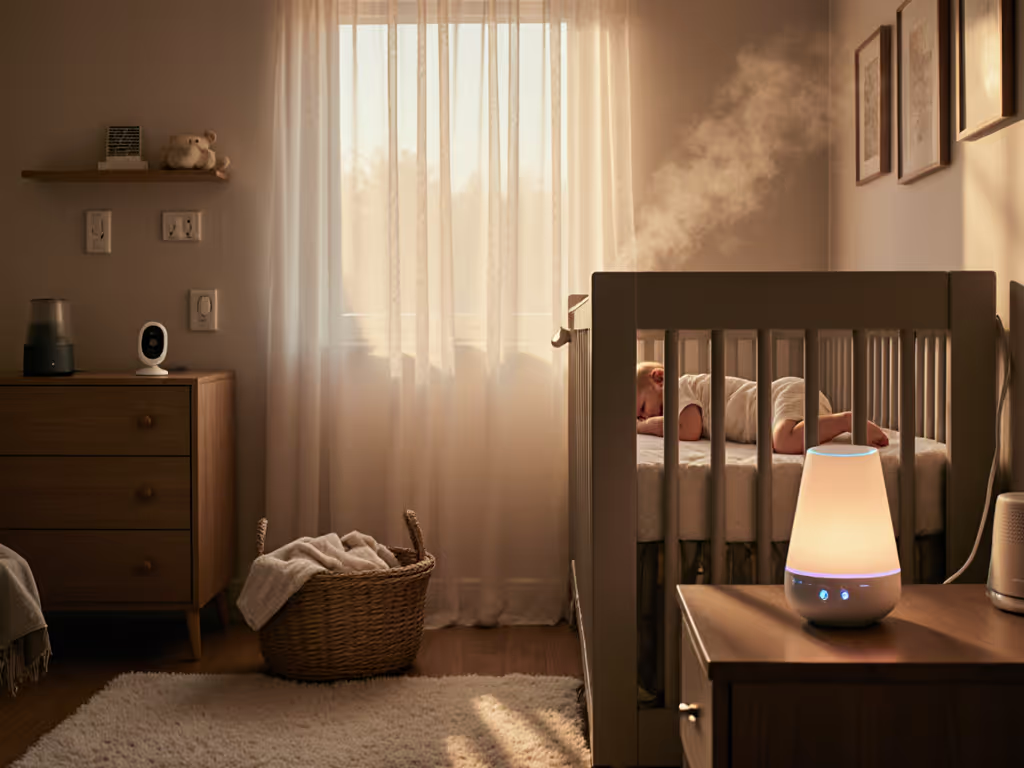
Every year, over 3,500 infants in the United States die from sleep-related incidents. Parents face a maze of advice when trying to create a safe sleep space for their children, but not all tips are rooted in reliable science. Trusted sleep safety guides can make a life-or-death difference by translating complex research into simple, protective steps that help families avoid common risks and build safer sleep environments.
Key Takeaways
| Point | Details |
|---|---|
| Importance of Sleep Safety Guides | Sleep safety guides are essential tools that provide evidence-based strategies for minimizing infant sleep risks and ensuring safe environments. |
| Types of Guides | Various types of guides, such as medical professional guides and home safety checklists, cater to diverse caregiver needs and offer tailored recommendations. |
| Active Implementation Required | Effective use of sleep safety guidelines necessitates ongoing education, consistent application, and active reassessment of sleep environments. |
| Common Mistakes | Caregivers frequently make critical errors such as using outdated information or partial implementation, which can compromise the effectiveness of safety measures. |
Defining Guides and Their Role in Sleep Safety
Sleep safety guides are critical roadmaps that help parents navigate the complex landscape of infant and child sleep environments. These comprehensive documents outline evidence-based strategies designed to minimize risks and create safe sleeping conditions for infants and young children. Unlike generic advice, these guides are crafted from extensive research, medical recommendations, and scientific understanding of developmental risks.
Sleep safety guides serve multiple essential functions for caregivers. They provide structured recommendations that address potential hazards like improper bedding, dangerous sleeping positions, and environmental risks. Organizations like Safe Kids Worldwide emphasize that these guidelines are not mere suggestions, but critical tools for preventing sleep-related injuries and reducing the potential for life-threatening incidents like Sudden Infant Death Syndrome (SIDS).
The core components of effective sleep safety guides typically include:
- Precise recommendations for infant sleeping positions
- Guidance on appropriate bedding and sleep surface selection
- Temperature and environmental control strategies
- Monitoring techniques and risk assessment protocols
- Age-specific safety considerations
Understanding and implementing these guides requires more than passive reading. Active implementation means consistently applying these recommendations, regularly reassessing sleep environments, and staying informed about evolving safety standards. By treating sleep safety guides as dynamic, living documents, parents can create protective frameworks that adapt to their child's changing developmental needs.
Types of Sleep Safety Guides for Families
Comprehensive sleep safety guides represent essential resources for families navigating the complex world of infant and child sleep protection. These guides come in various formats, each designed to address specific aspects of sleep environments and developmental safety. From detailed professional guidelines to practical home-use checklists, families have access to a range of tools that can help minimize risks and create secure sleeping spaces.
Professional organizations like Safe Kids Worldwide and Pathways.org have developed distinct types of sleep safety guides to support different family needs:
Here's a comparison of the main types of sleep safety guides for families:
| Guide Type | Primary Audience | Key Features | Examples |
|---|---|---|---|
| Medical Professional Guides | Healthcare providers<br>Parents seeking expert detail | Evidence-based<br>In-depth analysis<br>Clinical recommendations | Safe Kids Worldwide Medical Guidelines |
| Home Safety Checklists | Parents & caregivers | Easy to use<br>Room-by-room tool<br>Practical steps | Pathways.org Sleep Safety Checklist |
| Age-Specific Guidelines | Parents of infants/toddlers | Developmental focus<br>Tailored advice<br>Stage-based tips | Newborn Safe Sleep Recommendations |
| Emergency Preparedness Guides | All caregivers | Incident protocols<br>Quick response strategies | Emergency Sleep Hazard Plan |
| Technology Integration Guides | Tech-savvy families | Monitor/device advice<br>Safe tech usage | Digital Monitor Best Practices |
- Medical Professional Guides: Comprehensive documents created by pediatric experts
- Home Safety Checklists: Practical, room-by-room assessment tools
- Age-Specific Guidelines: Tailored recommendations for newborns, infants, and toddlers
- Emergency Preparedness Guides: Protocols for managing unexpected sleep-related incidents
- Technology Integration Guides: Recommendations for using monitors and safety devices
Each guide type serves a unique purpose in the broader ecosystem of infant sleep safety.
 Medical professional guides offer the most rigorous, evidence-based recommendations, typically developed through extensive research and clinical observations. These guides provide in-depth analysis of potential risks, recommended sleeping positions, and environmental control strategies that go beyond basic safety recommendations.
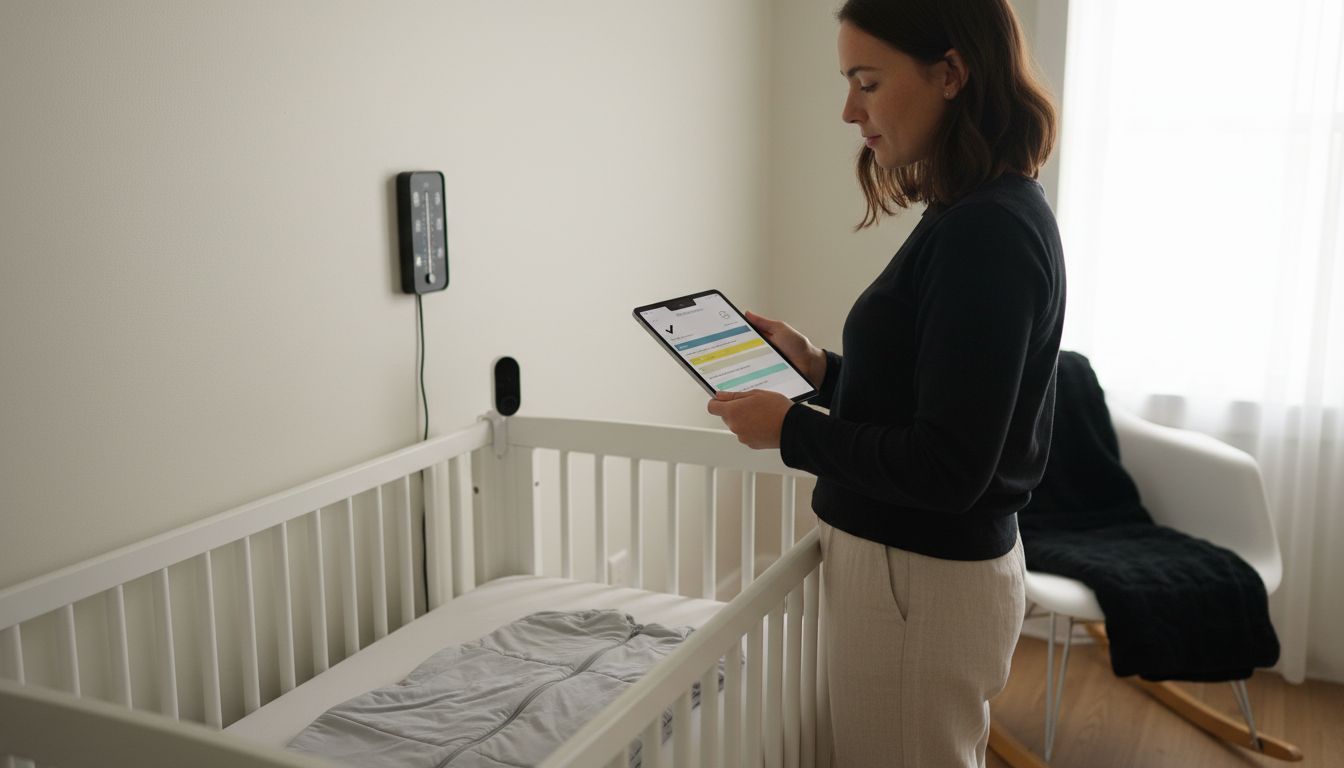
Home safety checklists represent the most accessible and immediately actionable type of sleep safety guide. Designed for practical implementation, these resources empower parents to systematically evaluate and improve their child's sleeping environment. They break down complex safety concepts into manageable, actionable steps that can be quickly understood and applied, making them invaluable tools for proactive caregivers seeking to create the safest possible sleep spaces for their children.
Key Features of Effective Safety Guides
Comprehensive sleep safety guides require multiple sophisticated elements to truly protect infants and support parents. These resources must transcend simple instructions, transforming complex medical and developmental research into actionable, easily digestible guidance. The most impactful guides blend scientific precision with practical, real-world application strategies that empower caregivers to create safer sleep environments.
According to research from organizations like Safe Kids Worldwide and Pathways.org, effective safety guides typically incorporate several critical features:
- Evidence-Based Content: Recommendations grounded in current medical research
- Clear Visual Illustrations: Diagrams and images explaining proper techniques
- Step-by-Step Instructions: Detailed, actionable guidance for implementation
- Cultural Sensitivity: Adaptable recommendations respecting diverse family contexts
- Age-Specific Guidance: Tailored advice for different developmental stages
Scientific credibility forms the foundation of truly effective safety guides. Rigorous research methodology ensures that recommendations are not just theoretical but practically applicable. This means synthesizing data from pediatric studies, sleep research, and clinical observations to create guidelines that address real-world challenges faced by families. The most successful guides translate complex scientific concepts into straightforward, immediately implementable strategies.
Moreover, effective safety guides recognize that information delivery is as important as the content itself. They employ clear, accessible language, avoiding medical jargon while maintaining technical accuracy. Visual elements like infographics, color-coded risk assessments, and step-by-step illustrations help transform potentially overwhelming information into digestible, memorable guidance. By combining scientific integrity with user-friendly design, these guides become powerful tools for preventing sleep-related incidents and promoting infant safety.
Role of Guides in Preventing Sleep Hazards
Sleep safety hazards represent complex challenges that demand proactive, systematic prevention strategies. Comprehensive safety guides serve as critical intervention tools, transforming potential risks into manageable, preventable scenarios through detailed, evidence-based recommendations. By identifying and addressing potential dangers before they become life-threatening situations, these guides act as essential protective frameworks for infant and child sleep environments.
According to research from Safe Kids Worldwide and Pathways.org, sleep safety guides help prevent hazards through multiple strategic approaches:
- Risk Identification: Systematically mapping potential sleep-related dangers
- Environmental Assessment: Providing comprehensive room safety checklists
- Positioning Guidance: Recommending optimal infant sleeping positions
- Equipment Safety: Evaluating and selecting appropriate sleep-related products
- Emergency Preparedness: Creating protocols for unexpected incidents
Hazard prevention requires more than theoretical knowledge. Effective guides translate complex medical research into practical, actionable steps that caregivers can immediately implement. This means breaking down potential risks into specific, manageable interventions that address everything from bedding selection to room temperature control, creating multi-layered protective strategies that minimize potential threats.
Ultimately, sleep safety guides function as dynamic educational tools that evolve with emerging research and technological advancements. They do more than simply list potential dangers; they empower parents and caregivers with knowledge, helping them develop critical thinking skills about sleep environments. By combining scientific precision with practical guidance, these guides transform fear and uncertainty into confidence and proactive protection, ultimately creating safer sleeping spaces for the most vulnerable members of our families.
Common Mistakes When Using Sleep Safety Guides
Sleep safety guidelines are intricate tools that require meticulous understanding and precise implementation. Despite their comprehensive nature, many caregivers unknowingly make critical errors that can compromise infant safety. These mistakes often stem from misunderstandings, outdated information, or well-intentioned but misguided practices that inadvertently create potential risks in sleep environments.
Research from Safe Kids Worldwide and Pathways.org highlights several common mistakes caregivers frequently make when interpreting and applying sleep safety guides:
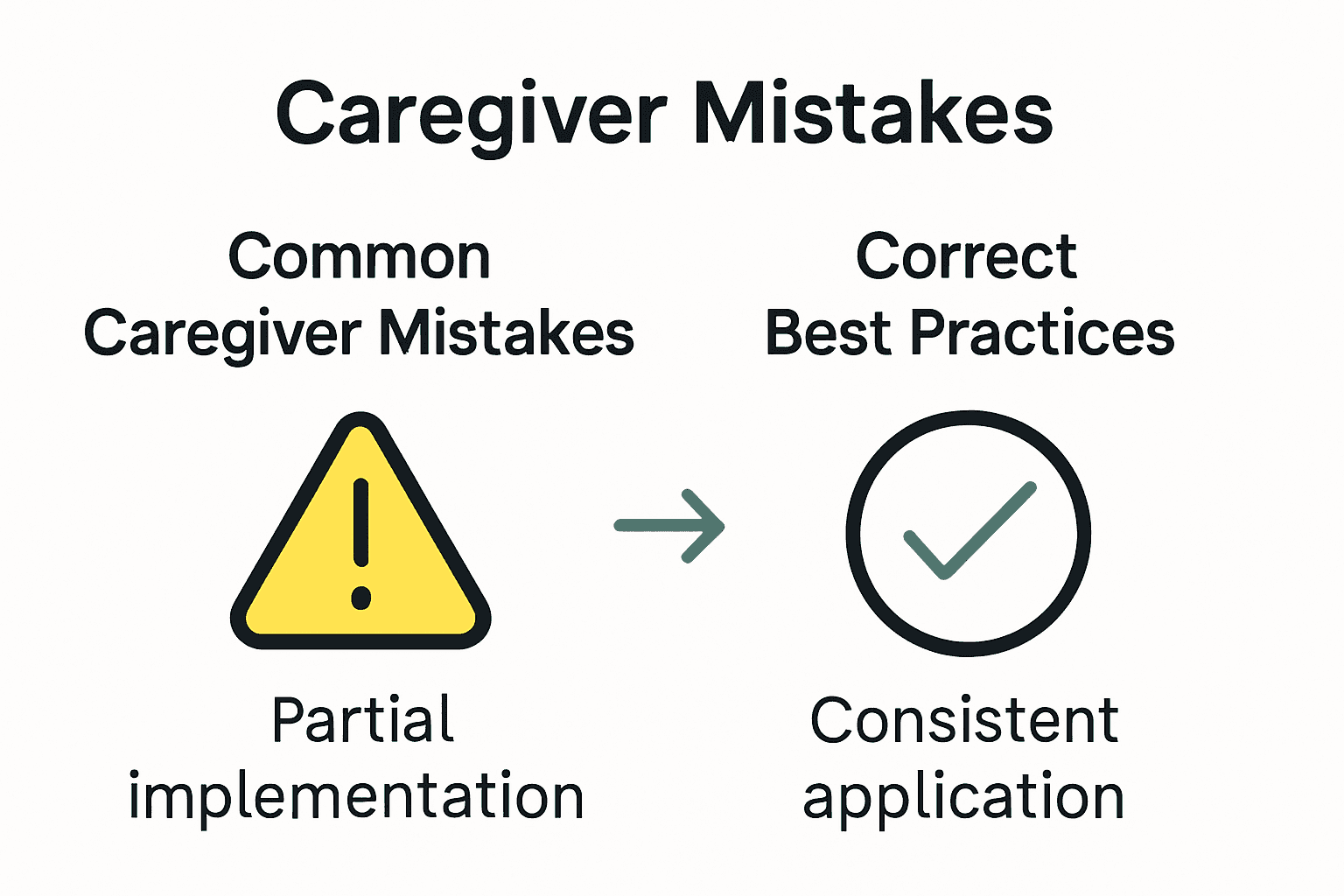
- Partial Implementation: Following only some recommended guidelines
- Outdated Information: Using older safety recommendations
- Inconsistent Application: Varying safety practices across different settings
- Overconfidence: Assuming personal experience trumps professional guidance
- Misinterpreting Instructions: Incorrectly applying complex safety recommendations
Misinterpretation risks extend beyond simple procedural errors. Many caregivers fail to recognize that sleep safety is a dynamic field continuously evolving with new research and technological advancements. What seemed acceptable five years ago might now be considered a potential hazard. Professional guidelines are not static recommendations but living documents that reflect the most current understanding of infant physiology, environmental risks, and developmental science.
The most dangerous mistake is treating sleep safety guides as optional suggestions rather than critical protective protocols. Effective implementation requires a comprehensive approach that combines careful reading, consistent application, and ongoing education. Caregivers must view these guides as essential tools designed to protect vulnerable infants, not as bureaucratic checklists to be casually interpreted or selectively followed. By understanding the nuanced reasoning behind each recommendation and maintaining a commitment to continuous learning, families can transform potential risks into proactive safety strategies.
Enhance Infant Sleep Safety with Trusted Acoustic Insights
Understanding the complexity of sleep safety guides can feel overwhelming when trying to protect your little one from common hazards like inappropriate bedding or inconsistent safety practices. This article highlights how detailed, evidence-based recommendations must be actively applied to create secure sleep environments that adapt to your child's growth and developmental stages. If you are concerned about correctly implementing sleep safety guidelines and want to avoid common mistakes, focusing on the quality of your child's sleep environment is crucial.
At Our Acoustic Lab for Little Ears, we provide a unique solution by combining data-driven guides with lab-measured decibel profiles and real-home testing results. This approach helps you select sleep machines that not only comfort but also maintain safe noise levels tailored for your home setting. Discover practical, scientifically backed tools to support your journey by exploring our resources at https://babysoundmachines.me and start creating a safer, calmer sleep space now. Taking this step today can transform uncertainty into confidence in your child's nightly safety.
Frequently Asked Questions
What are sleep safety guides?
Sleep safety guides are comprehensive resources that help parents create safe sleep environments for infants and young children by providing evidence-based recommendations and strategies to minimize risks.
Why are sleep safety guides important for parents?
Sleep safety guides are vital as they outline critical steps to prevent sleep-related injuries, such as Sudden Infant Death Syndrome (SIDS), ensuring children sleep in secure environments.
How can I implement sleep safety guidelines effectively?
To implement sleep safety guidelines effectively, actively apply the recommendations consistently, regularly reassess your child's sleep environment, and stay updated on the latest safety standards and research.
What are some common mistakes caregivers make when using sleep safety guides?
Common mistakes include partial implementation of guidelines, relying on outdated information, inconsistent application of safety practices, and misinterpreting instructions, all of which can compromise infant safety.
Recommended
Related Articles