
How Sound Affects Newborns: Complete Expert Guide
By Hana Suzuki • 6th Nov
More than 90 percent of a newborn’s brain growth happens in the first three years, and hearing plays a key role in shaping that early development. For babies, sound is much more than background noise—it is a building block for learning, emotional connection, and communication. Understanding how newborns process and react to sounds helps parents create nurturing environments that support healthy brain and language growth right from the very start.
Key Takeaways
| Point | Details |
|---|---|
| Prenatal Sound Sensitivity | Newborn auditory development begins before birth, with fetal exposure to maternal sounds promoting early learning and neural connections. |
| Impact of Maternal Sounds | Maternal sounds have significant physiological effects, including reduced stress and improved brain connectivity, benefiting newborns' overall well-being. |
| Effects of Music | Exposure to music facilitates heart rate regulation and cognitive development, emphasizing the importance of a rich acoustic environment for infants. |
| Noise Sensitivity Risks | Excessive noise can disrupt newborn development, leading to hearing damage and cognitive interference, necessitating controlled auditory environments. |
Newborn Hearing Development Explained
Hearing isn't just a passive ability newborns acquire - it's an intricate developmental journey that begins well before birth. Auditory processing starts remarkably early, with fetuses demonstrating remarkable sound sensitivity during the final trimesters of pregnancy. Research from the Proceedings of the National Academy of Sciences reveals that maternal sounds, including voice and heartbeat, actually stimulate auditory plasticity in the developing human brain before full gestation.
The auditory system of a newborn is fundamentally different from an adult's, operating through a complex mechanism of neurological development. Sound perception occurs through several critical stages:
- Neural Pathway Formation: Auditory nerves begin connecting brain regions
- Frequency Discrimination: Gradually developing ability to distinguish sound variations
- Sound Localization: Learning to identify directional sound sources
- Emotional Sound Processing: Understanding tonal differences and emotional context
A systematic review published in BMC Pediatrics in 2023 highlights how prenatal sound stimulations profoundly impact fetal learning. These early auditory experiences aren't merely passive recordings but active learning opportunities that shape future cognitive development. Newborns can recognize maternal voices immediately after birth, demonstrating sophisticated auditory memory developed during pregnancy.
Parents play a crucial role in supporting this delicate developmental process. Consistent, gentle sound exposure helps newborns build neurological connections, with research suggesting that varied, soft sounds contribute significantly to auditory system maturation. Talking, singing, and creating a rich acoustic environment can enhance your baby's emerging hearing capabilities, transforming simple interactions into powerful developmental experiences.
Positive Effects Of Maternal Sounds
Maternal sounds represent more than just ambient noise for newborns - they are a powerful neurological stimulus with profound physiological and psychological benefits. Sound interactions between mothers and infants create a complex communication pathway that extends far beyond simple auditory perception. A systematic review and meta-analysis published in 2022 revealed groundbreaking insights into how maternal sound stimulation can dramatically improve infant comfort and well-being, particularly for preterm newborns.
The physiological impacts of maternal sounds are remarkable and scientifically measurable. Research highlights several key benefits:
- Autonomic Stability: Reduction in infant heart rates during sound exposure
- Pain Mitigation: Decreased pain perception during medical procedures
- Stress Reduction: Lowered cortisol levels and increased emotional regulation
- Neurological Development: Enhanced brain connectivity and sensory processing
Research from 2014 specifically demonstrated that maternal sounds elicit lower heart rates in preterm newborns during their first month of life, suggesting a direct correlation between maternal voice and infant physiological calm. These sounds act as a form of biological regulation, helping newborns transition from the protected intrauterine environment to the complex external world. The familiar rhythms and tones of maternal voices provide a sense of security and continuity.
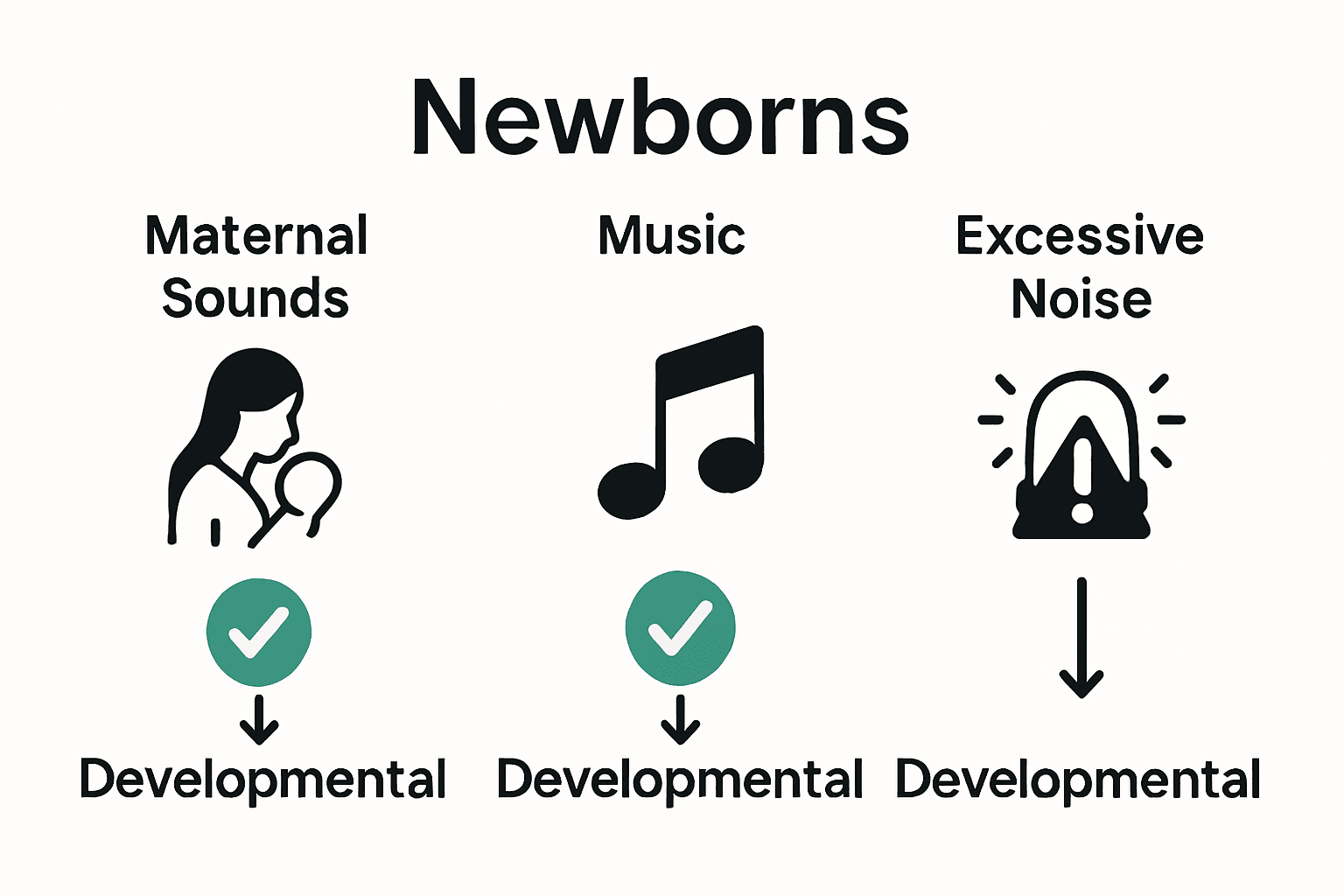
Here's a comparison of the effects of maternal sounds, music, and excessive noise on newborn development:
| Factor | Physiological Benefits | Developmental Impact | Potential Risks |
|---|---|---|---|
| Maternal Sounds | Lower heart rate<br>Reduced stress | Enhanced brain connectivity<br>Improved language skills | None when controlled |
| Music | Heart rate regulation<br>Better sleep | Stimulates neural growth<br>Emotional development | Overstimulation if too loud |
| Excessive Noise | None | Disrupted neural pathways<br>Impeded learning | Hearing damage<br>Elevated stress |
Beyond immediate physiological responses, maternal sounds play a crucial role in long-term developmental trajectories. Consistent exposure to maternal voices helps newborns develop critical language and emotional recognition skills. By creating a rich acoustic environment filled with varied tones, intonations, and emotional expressions, mothers essentially provide a sophisticated neurological training program that supports cognitive, emotional, and social development throughout early childhood.
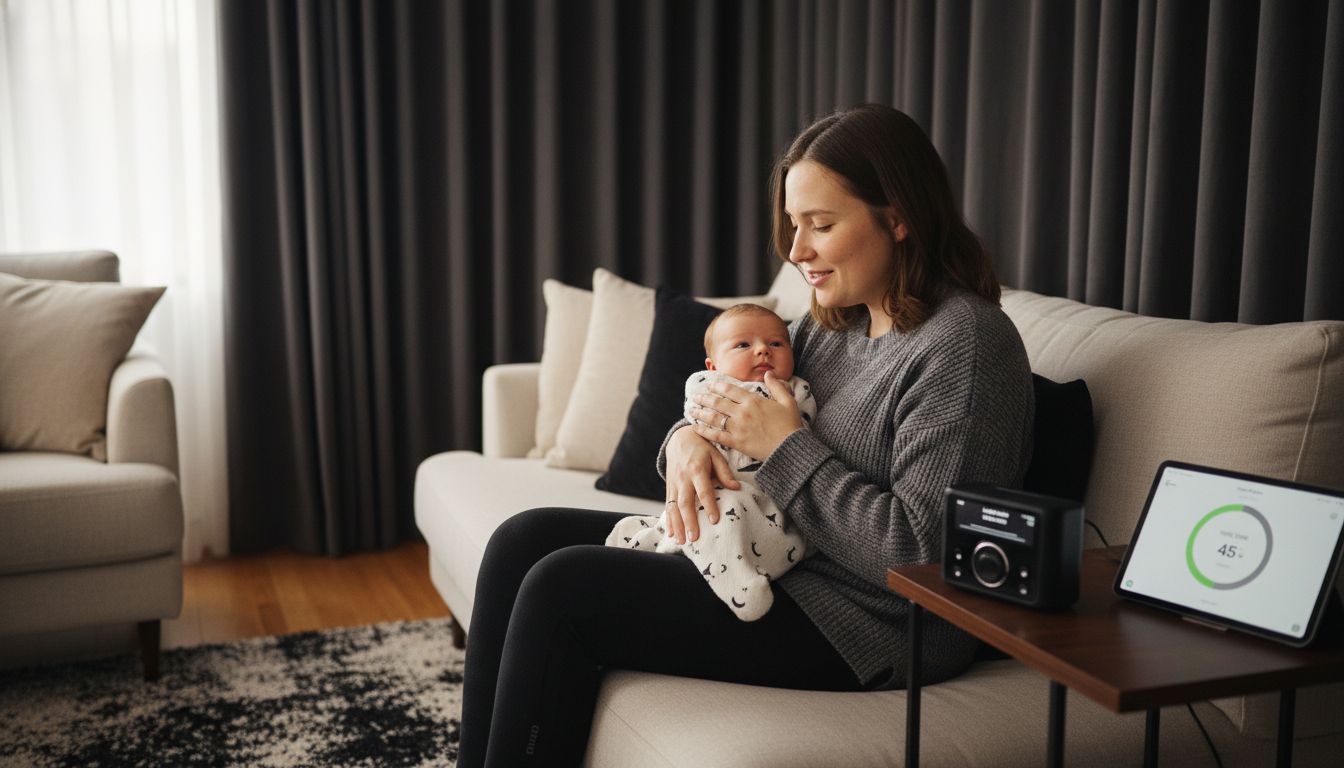
Music's Impact On Newborn Physiology
Music represents a profound sensory experience that transcends simple auditory stimulation for newborns, functioning as a complex neurological and physiological catalyst. Acoustic environments play a critical role in shaping infant development, with musical experiences triggering intricate neurological responses that extend far beyond basic sound perception. Newborns possess an extraordinary sensitivity to musical elements, responding to rhythmic patterns, tonal variations, and harmonic structures in ways that reveal the deep interconnectedness of sound and biological development.
The physiological impacts of music on newborns are multifaceted and remarkable:
- Heart Rate Regulation: Musical stimuli can modulate cardiovascular responses
- Stress Hormone Reduction: Certain musical frequencies help decrease cortisol levels
- Neurological Stimulation: Enhanced brain connectivity through rhythmic exposure
- Emotional Modulation: Musical experiences trigger complex emotional processing
- Sleep Pattern Improvement: Specific musical frequencies can support more stable sleep cycles
Music functions as a sophisticated communication mechanism that engages multiple sensory and neurological systems simultaneously. The intricate interplay between sound waves and infant neurophysiology creates a dynamic environment of learning and adaptation. Soft, consistent musical patterns can help newborns transition between different physiological states, providing a sense of predictability and comfort in an otherwise overwhelming sensory world.
Beyond immediate physiological responses, musical experiences contribute to long-term developmental trajectories. Consistent exposure to carefully curated musical environments supports cognitive development, emotional regulation, and neurological plasticity. By introducing varied musical experiences - from gentle lullabies to complex instrumental compositions - parents can create rich sensory landscapes that stimulate neural growth, enhance sensory processing capabilities, and lay the groundwork for future cognitive and emotional intelligence.
Risks Of Excessive Noise Exposure
Newborns inhabit an extraordinarily sensitive acoustic universe where sound exposure can dramatically impact neurological and physiological development. Noise sensitivity represents a critical consideration for parents and caregivers, as uncontrolled auditory environments can potentially disrupt delicate developmental processes. Research from the Proceedings of the National Academy of Sciences reveals that exposure to unfiltered hospital noise can significantly alter auditory cortex development, particularly in preterm infants, highlighting the profound vulnerability of infant hearing systems.
The potential risks associated with excessive noise exposure encompass multiple developmental domains:
- Hearing Damage: Prolonged loud sounds can compromise nascent auditory mechanisms
- Neurological Disruption: Uncontrolled noise interferes with neural pathway formation
- Stress Response Activation: Excessive sound triggers elevated cortisol production
- Sleep Pattern Interruption: Noise can disrupt critical rest and recovery cycles
- Cognitive Development Interference: Constant background noise may impede learning processes
A systematic review and meta-analysis published in 2022 emphasizes the critical importance of creating controlled auditory environments for infant development. Hospitals, home settings, and public spaces can inadvertently expose newborns to sound levels that exceed safe thresholds. Environmental noise from machines, televisions, loud conversations, and electronic devices can create cumulative acoustic stress that overwhelms an infant's developing sensory systems.
Mitigating noise-related risks requires proactive and strategic approaches. Parents should create calm, controlled acoustic environments that prioritize gentle, predictable sounds. This involves monitoring sound levels, using soft background music, implementing white noise machines at appropriate volumes, and being mindful of potential acoustic stressors. By understanding the intricate relationship between sound exposure and developmental outcomes, caregivers can help protect their newborns' delicate auditory and neurological systems during these critical early months.
Safe Sound Practices For Newborns
Ensuring a safe acoustic environment for newborns requires a nuanced understanding of sound sensitivity and developmental vulnerabilities. Research consistently demonstrates that carefully managed sound experiences can significantly support infant neurological and physiological development. A systematic review and meta-analysis published in 2022 provides critical insights into creating optimal auditory environments that protect and nurture infant hearing systems during their most delicate developmental stages.
Key safe sound practices for newborns include:
- Volume Control: Maintain sound levels below 50 decibels
- Distance Management: Keep sound sources at least 3 feet from infant
- Sound Quality: Prioritize soft, consistent, and predictable acoustic environments
- Noise Reduction: Minimize sudden or harsh sound interruptions
- Gradual Exposure: Introduce varied sounds incrementally and gently
Research published in 2014 specifically highlighted how strategic sound management can produce remarkable physiological benefits, such as lowered heart rates and improved autonomic stability in preterm newborns. This underscores the importance of intentional acoustic care. Parents and caregivers should approach sound management as a critical component of infant care, recognizing that every acoustic interaction represents a potential developmental opportunity or potential risk.
Implementing safe sound practices requires ongoing attentiveness and adaptability. This means creating flexible acoustic environments that can be adjusted based on the infant's immediate responses, utilizing soft background sounds like gentle lullabies or white noise, and being mindful of potential overstimulation. By developing a sophisticated understanding of infant sound perception, caregivers can transform acoustic environments from potential sources of stress into nurturing developmental landscapes that support optimal neurological growth and emotional well-being.
Protect Your Newborn's Hearing with Smart Sound Choices
The detailed exploration of how sound affects newborns reveals the critical importance of managing volume control, noise reduction, and creating a soft, consistent acoustic environment for your baby's healthy development. Many parents worry about overwhelming their infants or causing stress through excessive noise exposure. Understanding terms like auditory plasticity and neurological development helps highlight just how fragile and vital these early sound experiences are. Your newborn deserves a calm and nurturing soundscape to support their growth and emotional well-being.
That's where our Acoustic Lab for Little Ears comes in. At Baby Sound Machines, we combine lab-measured decibel profiles with real-world home testing to recommend the safest and most effective sound environments for your infant. Don't wait until noise disrupts your baby's sleep or development. Explore our expert-backed guides now and take control of your newborn's auditory world with confidence. Start building the perfect sound environment today by visiting Baby Sound Machines and see how gentle sound can become your newborn's best developmental ally.
Frequently Asked Questions
How does sound exposure affect newborn development?
Sound exposure can significantly influence newborn neurological and physiological development. Maternal sounds and music can promote brain connectivity, reduce stress, and enhance emotional regulation. Conversely, excessive noise can disrupt neural pathways and impede learning processes.
What are the benefits of maternal sounds for newborns?
Maternal sounds provide physiological and psychological benefits, including lower heart rates, reduced stress, and improved emotional regulation. They help newborns feel secure and facilitate early cognitive development by supporting language and emotional recognition.
How can parents create a safe acoustic environment for their newborn?
To ensure a safe acoustic environment, parents should maintain sound levels below 50 decibels, keep sound sources at least 3 feet away, prioritize soft and predictable sounds, and minimize sudden noises. Gradual exposure to varied sounds is also essential.
What risks are associated with excessive noise exposure for newborns?
Excessive noise exposure can lead to hearing damage, neurological disruption, elevated stress responses, sleep pattern interruptions, and hinder cognitive development. It is crucial to minimize exposure to harsh or loud environments for optimal infant growth.
Recommended
Related Articles