
Role of Sound in Infant Sleep: Complete Guide
By Diego Martins • 7th Nov
Over half of new parents turn to sound machines hoping for better nights, yet many overlook how deeply sound shapes infant sleep quality. Babies process even soft background noise in ways that can ease or disrupt their rest. Understanding what types of sounds actually help—not just mask unwanted noise—can make all the difference for calmer nights and healthier sleep for your child.
Key Takeaways
| Point | Details |
|---|---|
| Impact of Sound on Sleep | Sound influences infant sleep cycles and quality through acoustic stimuli that regulate comfort and stress responses. |
| Recommended Sound Types | White noise, pink noise, and nature sounds effectively support infant sleep by promoting relaxation and masking disruptive noises. |
| Safety Parameters | Maintain sound levels below 50-60 decibels and position devices at least 30 centimeters away from the infant to prevent hearing damage. |
| Natural Alternatives | Non-technical sound sources, such as gentle household noises or parental voices, can provide soothing acoustic environments and support healthy sleep patterns. |
What Role Does Sound Play In Infant Sleep
Sound is a powerful and nuanced environmental factor that profoundly influences infant sleep patterns and quality. Far more than background noise, acoustic stimuli can act as a sophisticated neurological trigger that helps regulate a baby's sleep-wake cycle, comfort level, and overall rest experience.
Research indicates that specific sound characteristics play crucial roles in infant sleep physiology. According to emerging studies from academic sources, auditory data can effectively classify infant sleep states, demonstrating sound's complex neurological impact. Babies are not simply passive recipients of sound but active participants in an intricate acoustic environment that can dramatically influence their rest.
White noise and consistent background sounds emerge as particularly significant sleep aids. These steady audio signals serve multiple critical functions:
- Masking disruptive environmental noises like household sounds, traffic, or sudden loud interruptions
- Creating a predictable auditory landscape that signals safety and comfort
- Helping babies transition more smoothly between sleep cycles
- Reducing stress responses triggered by unpredictable acoustic changes
Neurologically, infant brains process sound differently from adult brains. Soft, consistent sounds can activate calming neural pathways, reducing cortisol levels and promoting deeper, more restful sleep. This makes strategic sound management a powerful tool for parents seeking to optimize their infant's sleep environment and overall rest quality.
Key Types Of Sounds Used For Infant Sleep
Sound machines and audio interventions represent a nuanced spectrum of acoustic strategies designed to support infant sleep. Not all sounds are created equal, and understanding the distinct characteristics of different sound types can help parents create an optimal sleep environment for their little ones.
White noise emerges as the most commonly referenced sound type for infant sleep. Characterized by a consistent, uniform sound that covers multiple frequencies simultaneously, white noise acts like an acoustic blanket that masks sudden environmental disruptions. Unlike random sounds, white noise provides a steady, predictable background that can help calm infant nervous systems and promote more stable sleep patterns.
Beyond white noise, several other sound categories have demonstrated potential sleep-supporting qualities:
- Pink noise: Softer and more balanced across frequency ranges, with slightly reduced higher frequencies compared to white noise
- Brown noise: Deeper, richer sound with more bass-like qualities that can feel more soothing to some infants
- Nature sounds: Gentle recordings like rainfall, ocean waves, or soft wind that provide organic, rhythmic acoustic patterns
- Heartbeat sounds: Mimicking intrauterine experiences, these sounds can be particularly calming for newborns
Researchers caution that while sound can be beneficial, volume and proximity are critical considerations. Studies from sources like Nationwide Children's Hospital recommend maintaining sound machines at low volumes (50 decibels or lower) and positioning them at least 30 centimeters away from the infant's sleeping area to prevent potential hearing damage. The goal is creating a gentle, consistent acoustic environment that supports rather than overwhelms a baby's delicate sensory system.
Here's a summary of common sound types used for infant sleep:
| Sound Type | Key Characteristics | Sleep-Supporting Qualities |
|---|---|---|
| White Noise | Uniform<br>All frequencies<br>Steady | Masks sudden noises<br>Calms nervous system |
| Pink Noise | Softer<br>More balanced<br>Less high pitch | Gentle<br>Soothing<br>Improves sleep depth |
| Brown Noise | Deep<br>Richer bass<br>Low frequencies | Very soothing<br>Promotes relaxation |
| Nature Sounds | Recorded water, wind<br>Organic patterns | Mimics nature<br>Reduces stress |
| Heartbeat Sounds | Rhythmic<br>Replicates womb environment | Especially calming for newborns |
How Sound Characteristics Affect Infant Sleep
Sound is not a monolithic phenomenon but a complex sensory experience with intricate neurological implications for infant sleep. Acoustic characteristics such as frequency, volume, consistency, and spectral composition play critical roles in how babies perceive and respond to auditory stimuli during their sleep cycles.
The neurophysiological impact of sound on infant sleep is profound and multifaceted. Emerging research demonstrates that specific sound properties can trigger distinct neurological responses, influencing brain wave patterns, stress hormone levels, and overall sleep architecture. Frequency modulation and sound intensity are particularly crucial factors that determine whether an auditory stimulus will promote relaxation or potentially disrupt an infant's delicate sleep state.
Key sound characteristics that significantly influence infant sleep include:
- Frequency range: Lower frequencies tend to be more soothing and reminiscent of intrauterine sounds
- Consistency: Steady, predictable sounds reduce stress and promote deeper sleep states
- Volume levels: Sounds between 50-60 decibels most effectively support infant sleep without causing auditory stress
- Spectral complexity: Smooth, balanced sound spectrums are more calming than sharp or erratic noise patterns
Researchers have discovered that infant brains process acoustic information differently from adult brains. The neuroplasticity of developing neural networks means that sound can serve as a powerful environmental cue, helping regulate sleep-wake cycles and providing a sense of safety and comfort. Understanding these nuanced acoustic interactions allows parents to create more supportive sleep environments that leverage sound's natural regulatory potential.
Safe Sound Levels And Exposure Guidelines
Understanding safe sound exposure for infants is critically important for protecting their developing auditory systems and overall neurological health. The delicate nature of infant hearing makes them extraordinarily vulnerable to potential acoustic damage, requiring parents and caregivers to be both informed and vigilant about sound management.
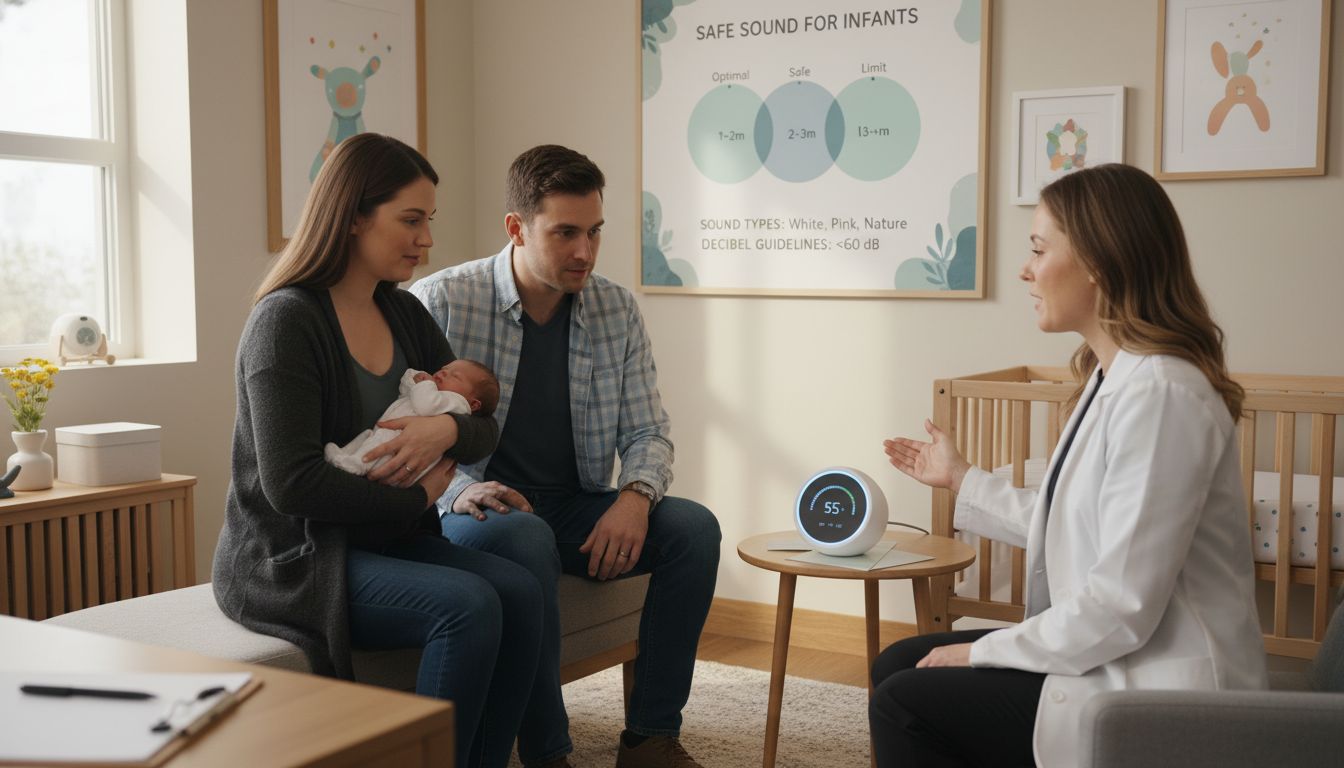
The American Academy of Pediatrics (AAP) has established clear recommendations for infant sound environments. Recommended maximum noise levels for infant spaces should not exceed 45 decibels - approximately equivalent to a quiet library or soft whisper. This guideline aims to prevent potential hearing damage while supporting healthy neurological development and maintaining optimal sleep conditions.
Key safety parameters for infant sound exposure include:
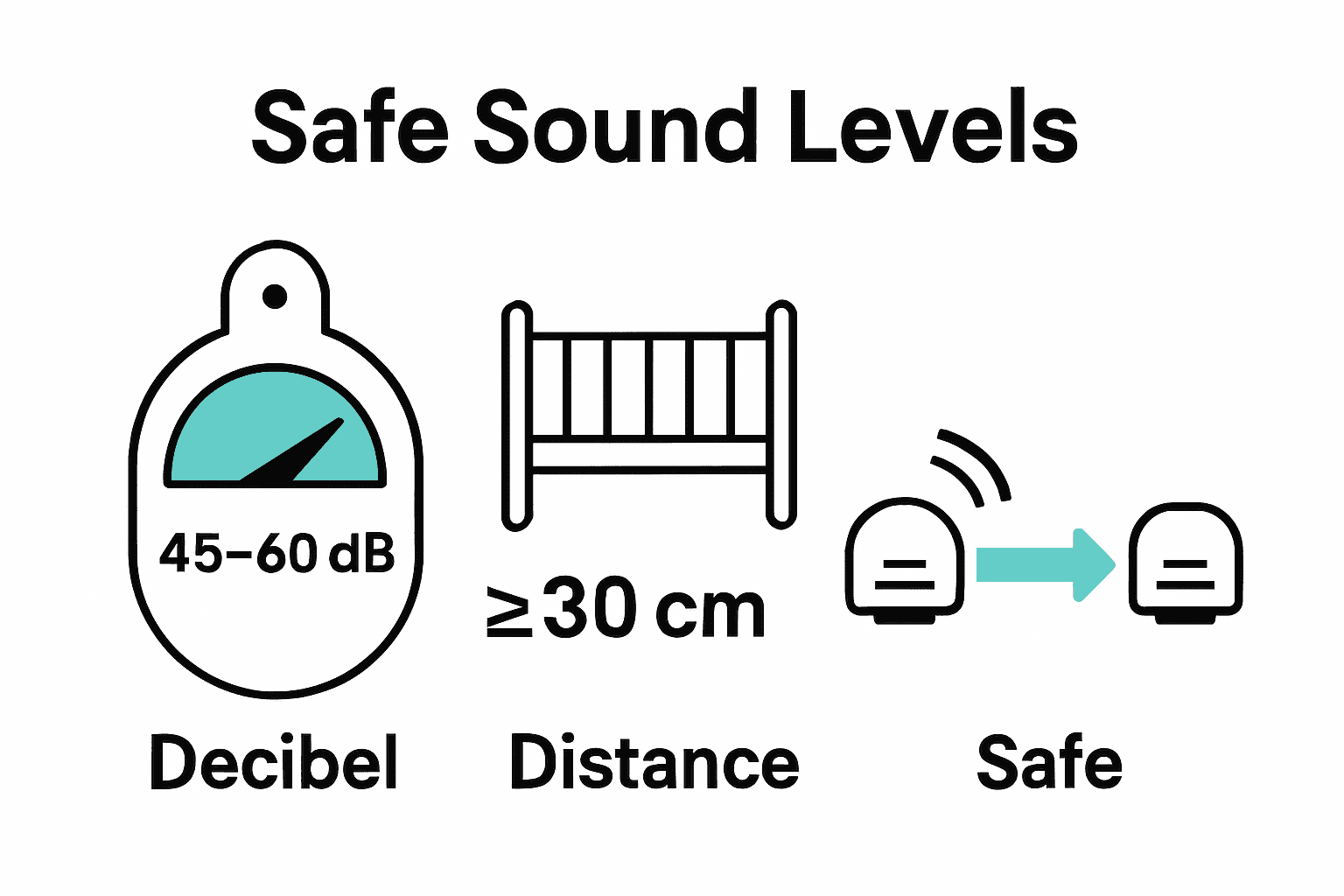
- Volume threshold: Maintain sound levels between 50-60 decibels for sleep machines
- Distance matters: Position sound devices at least 30 centimeters away from the infant's sleeping area
- Duration of exposure: Limit continuous sound machine use to prevent potential auditory fatigue
- Sound machine settings: Use the lowest effective volume that provides consistent background noise
Research highlights significant risks associated with improper sound machine usage. Some devices can generate sound levels up to 85 decibels - comparable to heavy traffic noise - which potentially threatens an infant's sensitive hearing mechanisms. Parents should regularly monitor and adjust sound environments, prioritizing gentle, consistent acoustic backgrounds that support rather than compromise their child's auditory health.
Potential Risks And Safety Precautions
Sound machines, while beneficial for infant sleep, come with potential risks that demand careful, informed usage. Acoustic exposure for infants represents a delicate balance between creating a soothing environment and preventing potential long-term auditory damage. Parents must understand the nuanced landscape of sound machine safety to protect their child's developing sensory systems.
Research from multiple pediatric studies has highlighted concerning findings about infant sound machine usage. Noise-induced hearing loss can occur through prolonged exposure to high-volume sounds, with some sleep machines generating sound levels up to 85 decibels - comparable to heavy traffic noise. This risk is particularly acute for infants, whose auditory systems are significantly more vulnerable than those of adults.
Key safety risks and mitigation strategies include:
- Volume control: Maintain sound levels below 50 decibels to prevent potential hearing damage
- Proximity management: Keep sound devices at least 30 centimeters away from the infant's sleeping area
- Duration limitations: Avoid continuous, uninterrupted sound machine usage for extended periods
- Regular device checks: Inspect sound machines for consistent, smooth sound output and potential technical issues
- Periodic hearing assessments: Schedule regular pediatric auditory screenings to monitor potential acoustic impacts
Beyond direct hearing risks, excessive or inappropriate sound exposure can potentially disrupt infant neurological development. The developing brain is extraordinarily sensitive to acoustic stimuli, and prolonged exposure to inappropriate sound levels might interfere with critical neural pathways responsible for sleep regulation, stress response, and cognitive development. Parents should approach sound machine usage as a nuanced intervention, prioritizing gentle, consistent acoustic environments that support rather than compromise their child's holistic development.
Alternatives And Practical Sound Strategies
Sound management for infant sleep extends far beyond traditional sound machines, offering parents a diverse toolkit of acoustic strategies to create optimal sleep environments. Understanding the nuanced approaches to supporting healthy sleep through sound requires creativity, adaptability, and a deep appreciation for an infant's unique sensory needs.
Natural and low-technology alternatives can be remarkably effective in creating soothing acoustic landscapes. Organic sound sources like gentle household activities, controlled environmental noises, and carefully curated audio experiences can provide the consistent background stimulation infants find comforting. These approaches minimize technological intervention while still supporting healthy sleep patterns and neurological development.
Practical sound strategies parents can implement include:
- Human voice recordings: Soft, consistent parental voices or lullabies at low volumes
- Household ambient sounds: Gentle kitchen noises, soft music, or quiet fan operations
- Rhythm-based interventions: Consistent tapping, humming, or rhythmic breathing sounds
- Environmental sound mimicry: Gentle rainfall recordings, ocean wave sounds, or soft wind simulations
- Musical interventions: Calm, instrumental music with consistent, smooth frequency ranges
The most effective sound strategies recognize that acoustic comfort is deeply personal and requires ongoing observation and adaptation. Parents should remain flexible, monitoring their infant's responses and adjusting sound environments accordingly. The goal is creating a gentle, predictable acoustic landscape that signals safety, promotes relaxation, and supports the delicate neurological processes underlying healthy infant sleep cycles.
Enhance Your Baby's Sleep with Expert Sound Insights
Understanding the role of sound in infant sleep is just the first step toward creating an environment that promotes deeper and safer rest. Many parents struggle with choosing the right sound levels and types that soothe without overwhelming their baby's delicate auditory system. This guide highlights the importance of consistent, gentle sounds like white noise and nature sounds while warning of risks such as excessive volume and close proximity that can impact hearing and development.
At Our Acoustic Lab for Little Ears, we take the guesswork out of selecting the perfect sound machine by providing data-driven guides based on lab-measured decibel profiles and real home testing. If you want to protect your infant's hearing and support restorative sleep, now is the time to explore scientifically tested options tailored to your home environment. Visit https://babysoundmachines.me to discover sound solutions that balance comfort with safety and take the next step toward peaceful nights for your little one.
Frequently Asked Questions
How does sound influence infant sleep patterns?
Sound plays a crucial role in infant sleep by acting as a neurological trigger that helps regulate sleep-wake cycles, comfort levels, and overall rest experiences. Consistent sound stimuli can promote deeper sleep and help infants transition between cycles more smoothly.
What types of sounds are most beneficial for infant sleep?
White noise, pink noise, brown noise, nature sounds, and heartbeat sounds are among the most beneficial for infant sleep. These sounds can mask disruptive environmental noises and create a calming atmosphere, promoting better sleep quality.
What precautions should I take when using sound machines for my infant?
When using sound machines, maintain volume levels below 50 decibels, position them at least 30 centimeters away from the sleeping area, limit continuous use, and regularly check sound quality to prevent potential hearing damage.
Can natural sounds effectively support infant sleep?
Yes, natural sounds such as gentle rainfall, ocean waves, or soft wind can effectively support infant sleep by providing a rhythmic and organic audio landscape that reduces stress and promotes relaxation.
Related Articles