
Safe Sleep Sound Selection Guide for Peaceful Nights
By Arman Keskin • 8th Nov
Over 3,500 infants die unexpectedly in their sleep each year in the United States. Parents face genuine worry when trying to create the safest possible sleep setting for their babies. Understanding exactly how to meet expert guidelines can feel confusing with so much information available. This guide breaks down clear steps and smart checks that help you protect your child with confidence, so you can rest just a little easier, too.
Quick Summary
| Key Point | Explanation |
|---|---|
| 1. Ensure a safe sleep environment | Use a firm, flat crib with no gaps, and eliminate soft objects to reduce SIDS risks. |
| 2. Monitor sound machine volume levels | Set volume between 50 to 65 decibels, similar to soft sounds, to protect your baby's hearing. |
| 3. Conduct sound profile tests | Observe your baby's reactions to different sounds and document sleep patterns to find the most soothing option. |
| 4. Regularly verify safety measures | Perform bi-weekly checks on sound machine settings and safety features to ensure ongoing infant safety. |
| 5. Maintain consistent testing conditions | Control room variables like temperature and lighting during sound tests to ensure accurate results. |
Step 1: Assess your child's sleep environment
Creating a safe sleep environment represents your first critical step in protecting your infant from potential risks like Sudden Infant Death Syndrome (SIDS). This assessment will help you design a secure sleeping space that meets pediatric safety standards recommended by leading medical experts.
Start by examining your baby's sleeping surface carefully. According to the Safe to Sleep® campaign, you need a firm and completely flat surface specifically designed for infant sleep. This means avoiding soft mattresses, adult beds, couches, or cushioned areas. Recommended surfaces include approved cribs, pack-n-play units, or bassinets that meet current safety regulations. Verify that the mattress fits snugly within the frame with no gaps larger than two fingers width around the edges.
Next, perform a comprehensive safety scan of the entire sleep area. Remove all soft objects including pillows, blankets, stuffed animals, and loose bedding that could potentially obstruct breathing or cause accidental suffocation. The Vanderbilt University Medical Center emphasizes creating an environment completely free from suffocation risks. Place your baby on their back wearing a fitted sleep sack or appropriate clothing that maintains body temperature without additional loose coverings.
A quick pro tip: Use a room thermometer to ensure the sleeping environment stays between 68 to 72 degrees Fahrenheit. Overheating can increase SIDS risks, so dress your baby in light layers that can be easily adjusted.
By meticulously assessing and preparing your child's sleep environment, you are taking proactive steps toward ensuring their safety during these vulnerable early months. The next section will guide you through selecting appropriate sound machines that complement this secure sleeping setup.
Step 2: Identify appropriate sound machine features
Selecting the right sound machine for your infant requires understanding specific features that support healthy sleep patterns and safety standards. This step will help you evaluate sound machines through a lens of acoustic performance and pediatric sleep research.
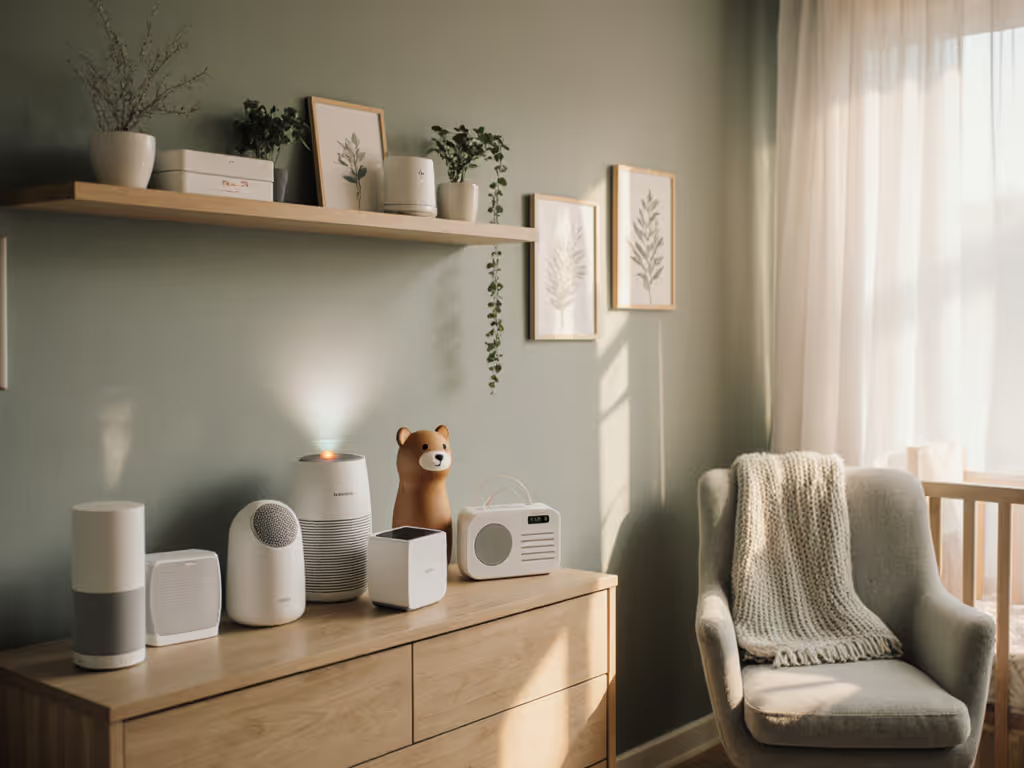
Start by examining volume control capabilities. Research from the Rady Children's Hospital recommends careful attention to sound levels to prevent potential hearing risks. Look for devices with clear volume increments that allow precise adjustments between 50 to 65 decibels maximum. Most pediatric experts suggest keeping sound machines at a low volume similar to a soft shower or gentle rainfall. Your goal is creating ambient background noise that soothes without overwhelming your baby's developing auditory system.
Next consider sound variety and frequency options. The National Center for Biotechnology Information highlights the importance of sound diversity in promoting sleep hygiene. Seek sound machines offering multiple noise profiles like white noise, pink noise, and nature sounds. Preferably choose devices with smooth frequency transitions that mimic natural environmental sounds. Avoid machines with abrupt or sharp audio transitions that might startle your infant.
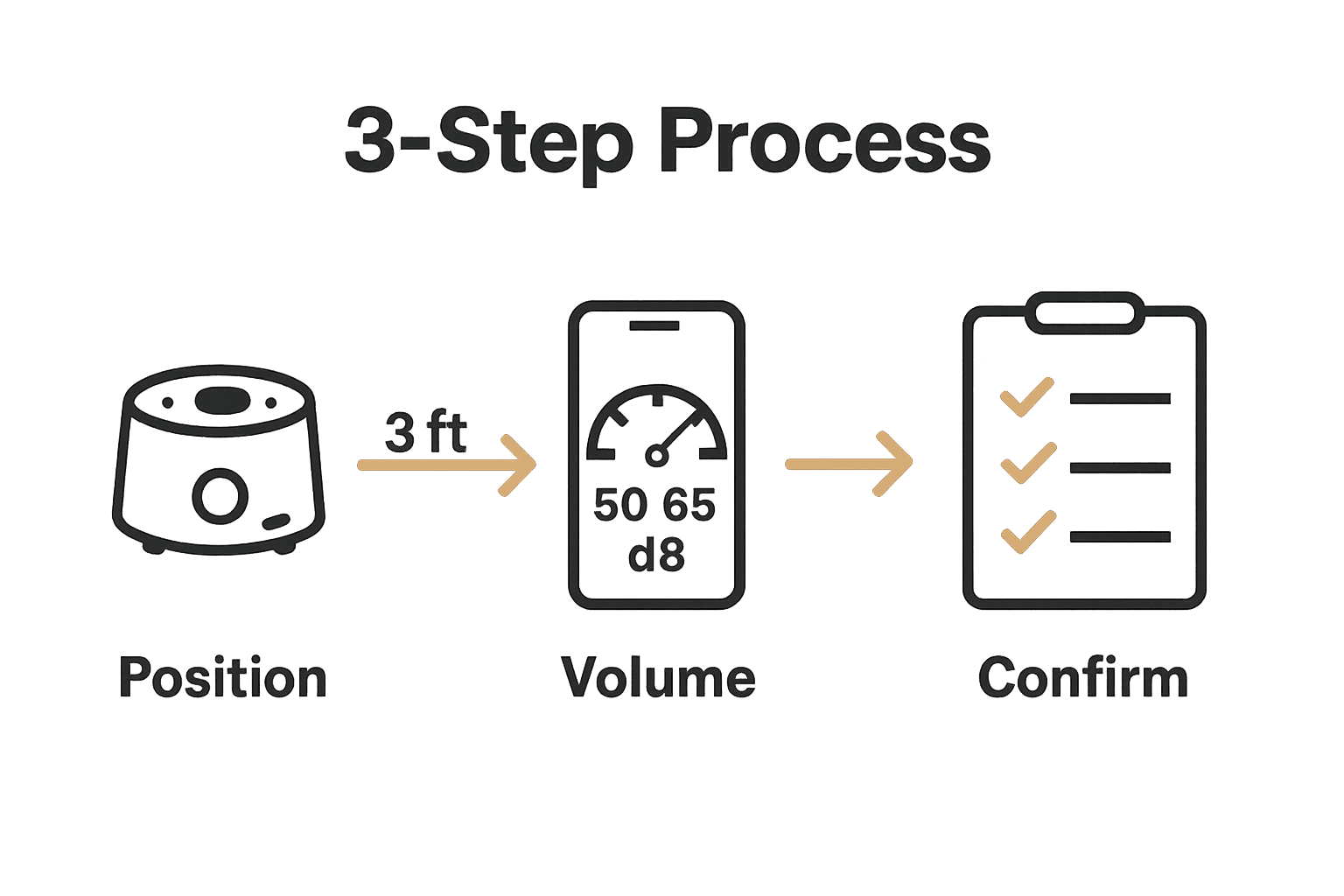
A critical safety tip: Always position the sound machine at least three feet away from your baby's sleeping area. This distance prevents direct sound exposure and reduces potential acoustic interference with your infant's sleep cycle.
By methodically evaluating these sound machine features, you are building a scientifically informed approach to creating an optimal sleep environment. The next section will guide you through selecting specific sound profiles that best support your child's rest.
Step 3: Measure decibel levels with recommended tools
Accurately measuring sound levels is crucial for creating a safe sleep environment for your infant. This step will walk you through practical methods to monitor and control noise exposure using reliable measurement tools recommended by pediatric sleep experts.
Begin by selecting an appropriate measurement device. According to research from Rady Children's Hospital, you have two primary options: dedicated sound level meters or smartphone applications specifically designed for acoustic measurements. If using a smartphone app, choose professional grade options that provide calibrated readings. Position your measurement tool approximately three feet from the sound machine at your baby's ear level. This mimics your infant's actual sound exposure and ensures precise readings.
When measuring, focus on capturing consistent readings across multiple short intervals. The National Center for Biotechnology Information recommends recording multiple 10 second samples to account for potential sound variations. Target a consistent range between 50 to 65 decibels maximum. Remember that sustained sounds above 70 decibels can potentially damage an infant's developing hearing system. Use the average of your measurements as a reliable indicator of the sound machine's acoustic profile.
A pro tip from acoustic experts: Perform measurements at different volume settings to understand the full range of your sound machine's output. This approach helps you identify safe listening levels and prevents accidental exposure to harmful noise intensities.
By methodically measuring decibel levels, you are taking a scientific approach to protecting your child's auditory health. The next section will help you interpret these measurements and make informed sound machine selections.
Step 4: Test sound profiles in real sleep scenarios
Validating sound machine effectiveness requires more than technical specifications. This step guides you through a systematic approach to determining which sound profiles genuinely support your infant's sleep quality based on actual observed responses.
Begin by creating a controlled testing environment during your baby's typical sleep periods. According to research from Rady Children's Hospital, parents should observe their child's physiological and behavioral responses to different sound profiles. Start with white noise as a baseline and gradually introduce alternative sounds like pink noise or gentle nature recordings. Pay close attention to your baby's breathing patterns, movement frequency, and overall sleep duration with each sound profile. Look for indicators of comfort such as reduced startling, consistent breathing, and minimal sleep disruptions.
Document your observations systematically across multiple nights to establish reliable patterns. The National Center for Biotechnology Information emphasizes the importance of comprehensive data collection when evaluating sleep interventions. Create a simple tracking sheet noting key metrics like sleep onset time, total sleep duration, number of night wakings, and apparent comfort levels. This methodical approach transforms your evaluation from subjective guesswork into evidence based selection.
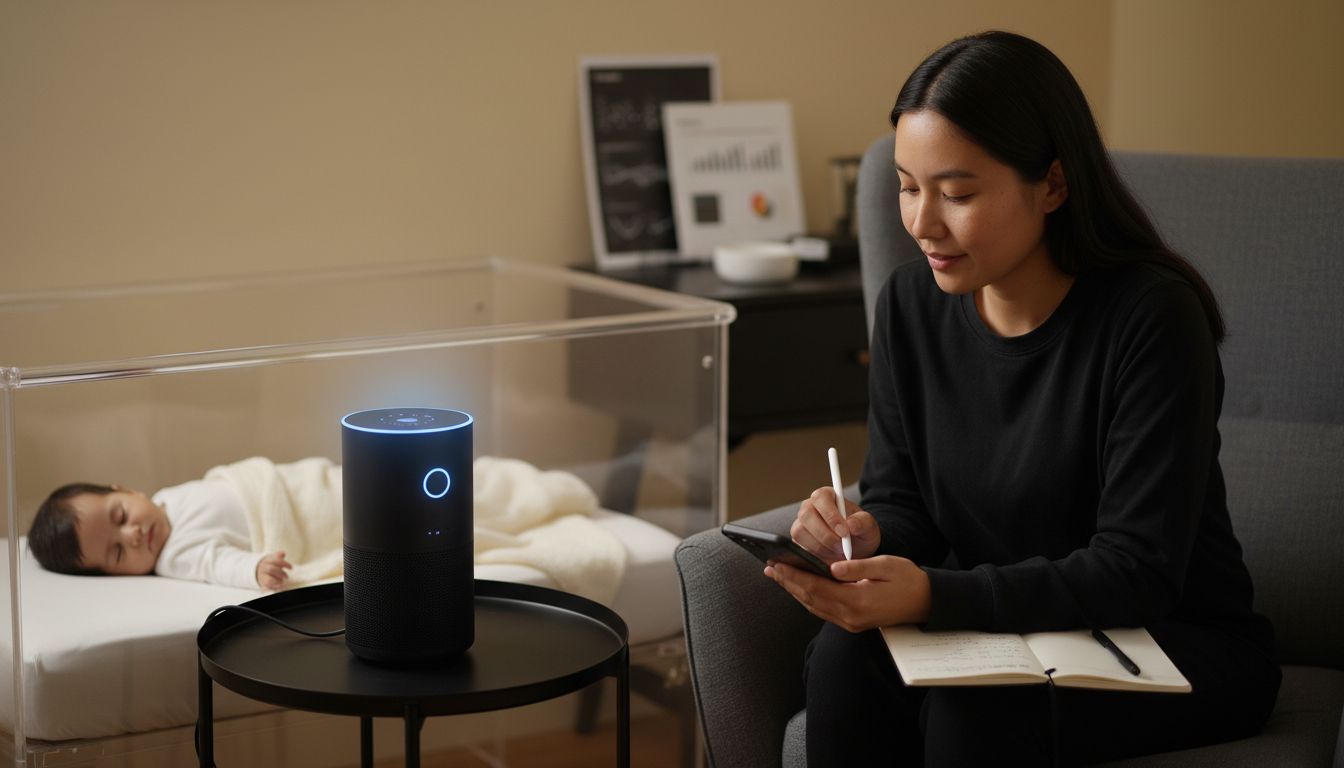
A critical pro tip: Maintain consistent room conditions during your testing phase. Control variables like temperature, lighting, and time of night to ensure your sound profile comparisons remain scientifically valid. Subtle environmental changes can significantly impact sleep quality and potentially skew your results.
By rigorously testing sound profiles in real sleep scenarios, you are developing a personalized approach to your infant's sleep environment. The next section will help you interpret these findings and make final sound machine selections.
Step 5: Verify safety with post-adjustment checks
After implementing sound machine and sleep environment modifications, conducting thorough safety verification becomes paramount. This critical step ensures that your carefully planned adjustments genuinely enhance your infant's sleep quality and overall safety.
Initiate a comprehensive review process by systematically examining each aspect of the modified sleep environment. According to research from Rady Children's Hospital, parents should conduct regular monitoring and detailed reassessments to confirm that safety measures remain consistently effective. Focus on verifying sound machine placement, volume levels, and proximity to the sleeping area. Check that the device remains positioned at least three feet from your baby's sleeping surface and that volume settings have not accidentally been altered. Use your previously established decibel measurement tools to confirm sound levels remain within the recommended 50 to 65 decibel range.
Document your verification findings using a standardized checklist that captures multiple safety dimensions. The National Center for Biotechnology Information emphasizes the importance of comprehensive data tracking for sleep environment interventions. Your checklist should include specific observations about sound machine performance, infant response patterns, and any potential environmental changes. Pay special attention to signs of sleep disruption, unusual reactions to sound profiles, or unexpected physiological responses that might indicate a need for further adjustment.
A crucial pro tip: Schedule periodic safety reviews every two weeks during the initial adjustment period. This frequency allows you to catch and address any emerging issues quickly while giving your infant adequate time to adapt to the new sleep environment.
By implementing these meticulous post-adjustment safety checks, you are demonstrating a proactive approach to infant sleep health. These verification steps transform theoretical safety guidelines into practical, personalized protection strategies.
Create the Safest and Most Soothing Sleep for Your Baby
Understanding how to assess and perfect your infant's sleep environment involves careful attention to sound machine features and precise decibel level measurements. The challenge of balancing safety with comfort can feel overwhelming when you want nothing more than peaceful nights and healthy development for your little one. This article highlighted key points like controlling volume between 50 to 65 decibels, selecting calming sound profiles, and conducting steady post-adjustment safety checks to protect your baby's sensitive ears.
At Our Acoustic Lab for Little Ears, we transform these concerns into scientifically backed solutions tailored for real homes. Discover data-driven guides that combine lab-measured decibel profiles with practical sound tests designed to fit your unique sleeping environment. If you want to confidently choose the perfect sound machine and create a worry-free sleep space, start now by visiting our Safe Sleep Sound Selection Guide. Your baby's peaceful nights are just a click away.
Take action today and ensure your infant’s sleep setup supports both safety and serenity. Explore all our resources at babysoundmachines.me and make informed decisions for restful, secure slumber.
Frequently Asked Questions
How can I determine if my baby's sleep environment is safe?
To ensure your baby's sleep environment is safe, examine the sleeping surface for firmness and flatness, and remove all soft objects such as pillows and blankets. Verify that the mattress fits snugly in the crib or bassinet with no gaps larger than two fingers.
What features should I look for in a sound machine for my infant?
When selecting a sound machine, prioritize features like adjustable volume control and a variety of sound options, such as white noise, pink noise, and nature sounds. Choose machines that maintain safe volume levels of 50 to 65 decibels to protect your baby's hearing.
How do I measure the noise levels coming from my baby's sound machine?
Measure the noise levels by using a sound level meter or a calibrated smartphone app, positioned at your baby's ear level about three feet away from the sound machine. Aim for consistent measurements to ensure sound levels remain within the recommended range of 50 to 65 decibels during your sessions.
What steps should I follow when testing sound profiles for my baby’s sleep?
Test sound profiles by introducing them during your baby's sleep times while observing their reactions and noting key factors like sleep duration and movement frequency. Record your findings over several nights to identify which sounds promote the best sleep quality for your infant.
How often should I check the safety of my baby's sleep setup?
Conduct a safety check of your baby's sleep environment every two weeks after making adjustments. During these reviews, confirm that the sound machine's volume and placement comply with safety guidelines to ensure continued effectiveness and protection.
What should I do if my baby shows signs of sleep disruption with a sound machine?
If your baby shows signs of sleep disruption, reevaluate the sound machine's settings, including sound profile and volume levels. Document any changes in behavior and consider testing different sound options to find what best suits your infant's comfort and relaxation.
Related Articles