
Why Noise Matters for Babies: Complete Guide
By Diego Martins • 2nd Nov
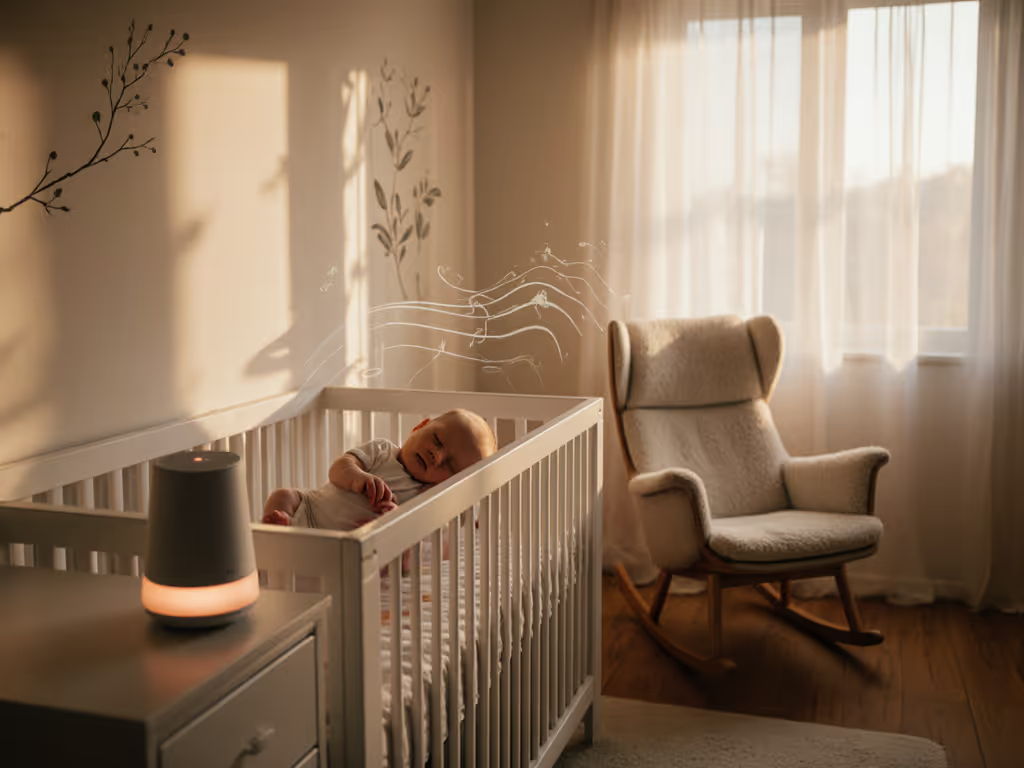
Did you know that even mild hearing loss in infancy may lead to lasting speech and academic challenges? Sound shapes the way a baby's brain grows, affecting everything from early language to future cognitive abilities. Many parents overlook how everyday noise can quietly interfere with healthy development. By understanding what noise really means for babies, you can make informed choices that set the foundation for stronger learning and better wellbeing.
Key Takeaways
| Point | Details |
|---|---|
| Importance of Sound | Sound significantly influences an infant's neurological development, impacting cognitive and linguistic skills. |
| Risks of Noise Exposure | Prolonged noise exposure can lead to hearing loss, speech delays, and cognitive challenges in children. |
| Safe Noise Levels | Recommended noise levels should not exceed 45-55 dB depending on the environment to protect infant hearing. |
| Role of Caregivers | Parents can proactively create quiet environments, manage sound exposure, and utilize sound measurement tools to support healthy development. |
Why Noise Matters For Babies
Sound isn't just background noise for babies - it's a critical factor in their neurological development and long term health. Infant hearing represents an intricate sensory system that processes audio information fundamentally differently from adult ears. Research from the American Academy of Pediatrics reveals that excessive noise exposure can trigger profound developmental challenges, potentially impacting a child's cognitive and linguistic capabilities.
The risks extend far beyond simple auditory discomfort. Hearing sensitivity in infants means they are particularly vulnerable to sound-related developmental disruptions. Scientific publications demonstrate that even mild unilateral hearing loss can precipitate significant academic and speech challenges. Background noise doesn't just create momentary distraction - it actively interferes with critical language learning processes, making it exponentially harder for young brains to comprehend and process verbal communication.
Understanding noise's impact requires recognizing its multifaceted effects. Potential consequences include:
- Hearing Loss: Prolonged exposure to loud sounds can cause permanent damage
- Speech Development Delays: Noise interference disrupts language acquisition
- Behavioral Modifications: Consistent sound stress can trigger neurological responses
- Cognitive Processing Challenges: Noisy environments impede neural information parsing
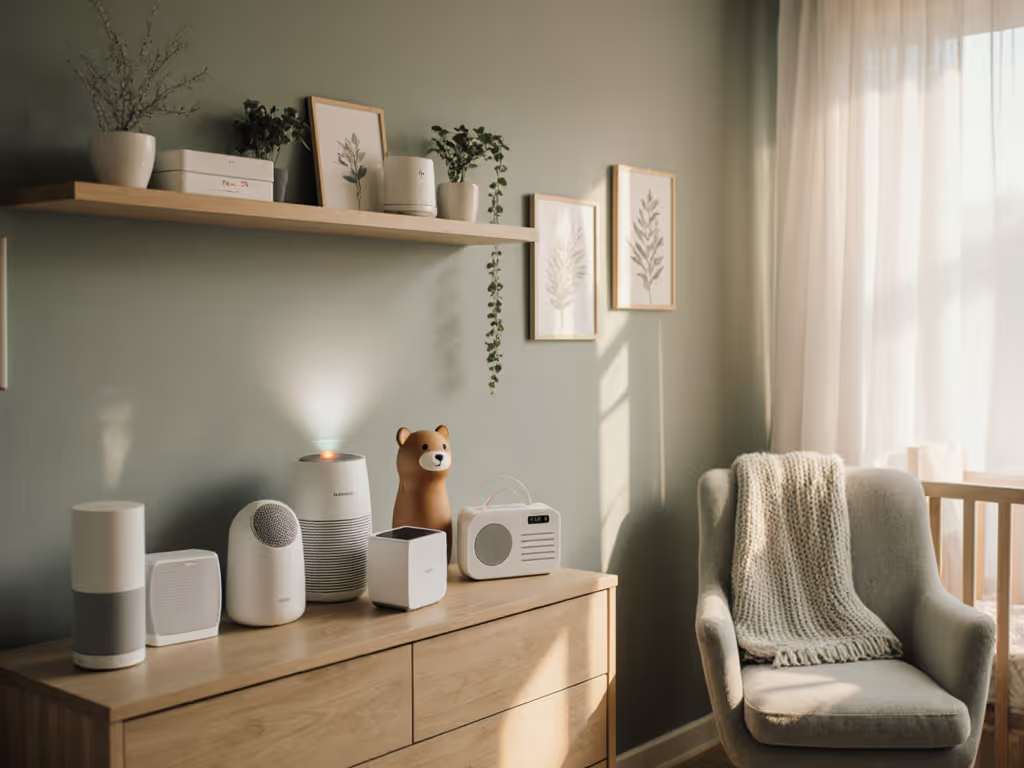
Parents and caregivers play a pivotal role in creating acoustic environments conducive to healthy infant development. By monitoring sound levels, selecting appropriate white noise machines, and creating calm auditory spaces, you can proactively protect your baby's delicate hearing system and support their neurological growth.
Developmental Impact Of Noise Exposure
Noise exposure represents a silent yet significant threat to children's cognitive development, extending far beyond temporary auditory discomfort. Neurological research reveals that consistent background noise can fundamentally disrupt the intricate processes of learning, memory formation, and attention maintenance in developing brains. Unlike adults, children possess neural networks still constructing critical cognitive pathways, making them exponentially more vulnerable to acoustic environmental influences.
The complexity of noise's developmental impact goes deeper than simple distraction. Cognitive processing in young minds requires extraordinary neurological resources to filter, interpret, and respond to auditory stimuli. Scientific studies demonstrate that persistent background noise creates significant cognitive load, effectively reducing a child's capacity to comprehend speech, retain information, and engage in complex learning tasks. This interference can manifest through subtle yet profound challenges in academic performance, social interaction, and overall neurological development.
Specific developmental domains most susceptible to noise exposure include:
- Memory Formation: Reduced capacity for information retention
- Attention Regulation: Decreased ability to concentrate and filter irrelevant sounds
- Language Acquisition: Impaired speech comprehension and linguistic processing
- Executive Function: Compromised problem-solving and cognitive flexibility
Parents and educators play a crucial role in mitigating noise-related developmental risks. By creating controlled acoustic environments, implementing strategic sound management techniques, and understanding individual children's sensory processing needs, we can proactively support healthy cognitive growth and neurological resilience.

Safe Noise Levels And Standards
Establishing safe noise standards for infants requires precision and understanding of their unique auditory vulnerabilities. Pediatric acoustic research reveals that infant hearing differs dramatically from adult hearing, necessitating more stringent noise exposure guidelines. The American Academy of Pediatrics has developed comprehensive recommendations that serve as critical benchmarks for protecting infant auditory health across various environments.
Noise measurement isn't just about volume - it's about understanding decibel thresholds and their potential developmental impacts. Researchers have identified that consistent noise levels above specific thresholds can cause long-term neurological and hearing complications. The recommended maximum noise level for infant environments typically ranges between 45-50 decibels (dB), which is approximately equivalent to the sound of a quiet library or soft whisper. This carefully calibrated range helps prevent potential hearing damage while supporting optimal cognitive development.
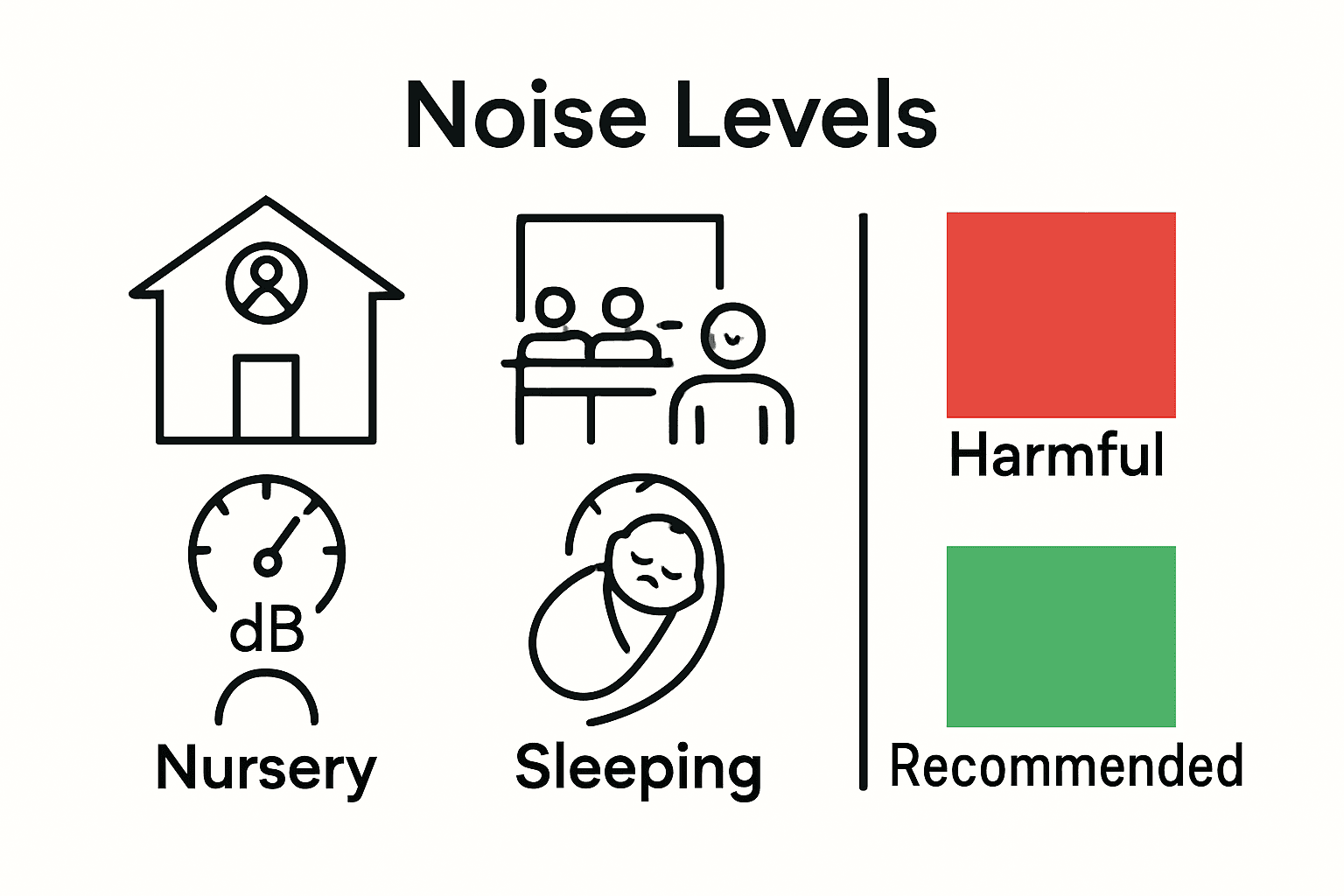
Key noise level guidelines for infant environments include:
Here's a summary of noise level guidelines for infant environments:
| Environment | Recommended Max Noise Level |
|---|---|
| Neonatal Intensive Care Unit | 45 dB |
| Early Childhood Classroom | 50 dB |
| Sleeping Area | 40 dB |
| Nursery Environment | 55 dB |
- Neonatal Intensive Care Units: Maximum 45 dB
- Early Childhood Classrooms: Below 50 dB
- Sleeping Areas: Preferably under 40 dB
- Nursery Environments: Consistently below 55 dB
Parents and caregivers can protect infant hearing by utilizing sound measurement tools, creating quiet spaces, and being mindful of cumulative noise exposure. Understanding these standards transforms acoustic environments from potential health risks into supportive developmental landscapes, ensuring that every sound contributes positively to a child's growth and neurological well-being.
Risks From Common Noise Sources
Infants inhabit a sonic landscape filled with potential acoustic hazards that most parents rarely consider. Environmental noise emerges from seemingly innocuous sources that can significantly impact a child's auditory and neurological development. Household appliances, electronic devices, traffic sounds, and everyday conversations create a complex auditory environment that can overwhelm a baby's delicate sensory processing mechanisms.
Some of the most prevalent noise risk sources might surprise parents. Television sounds, loud music, kitchen appliances, vacuum cleaners, and even seemingly harmless toys can produce decibel levels that exceed recommended safety thresholds. Research indicates that consistent exposure to these sounds can interfere with speech comprehension, disrupt language learning processes, and potentially contribute to long-term hearing complications. The cumulative effect of these background noises creates a persistent acoustic stress that challenges an infant's developing neurological systems.
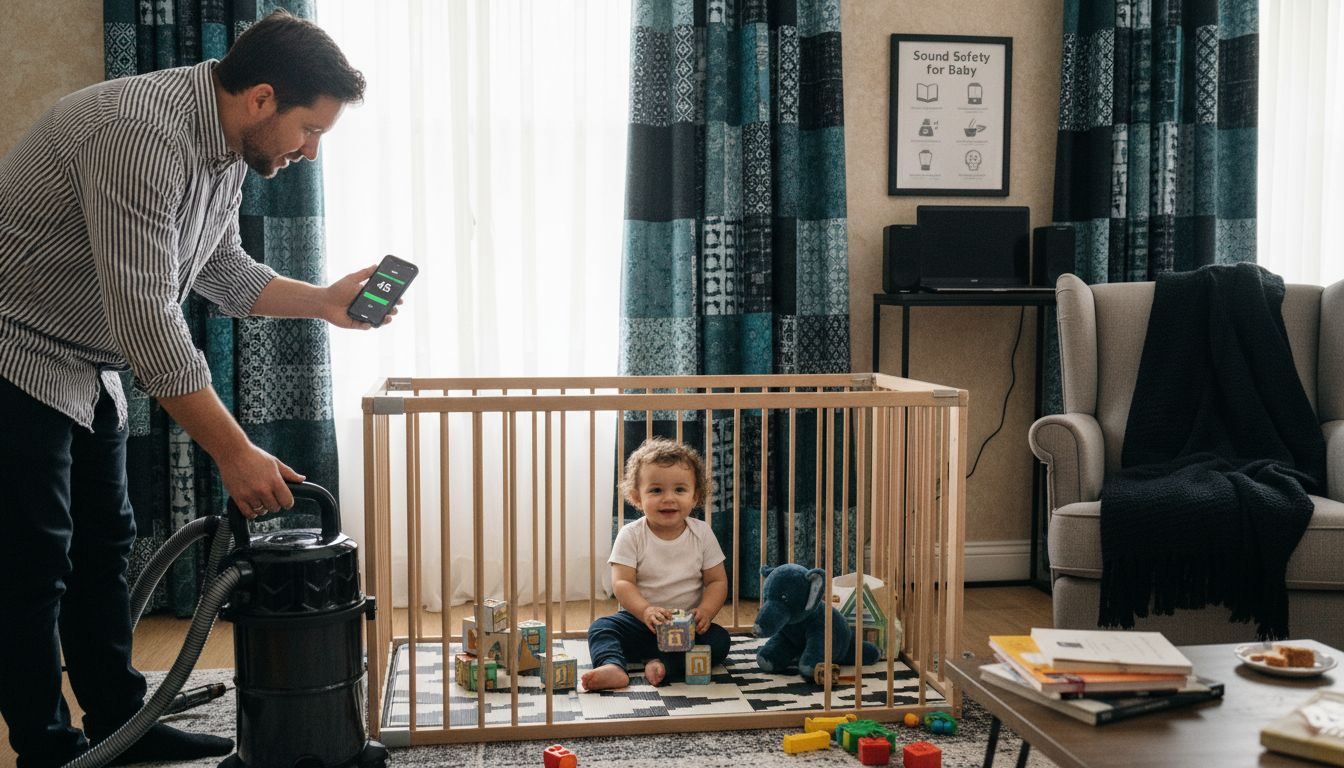
Key high-risk noise sources for infants include:
- Electronic Devices: Televisions, smartphones, tablets
- Kitchen Appliances: Blenders, dishwashers, microwaves
- Cleaning Equipment: Vacuum cleaners, washing machines
- Loud Toys: Electronic music toys, sound-producing play items
- Environmental Sounds: Traffic noise, construction work, loud conversations
Parents can mitigate these risks by implementing strategic sound management techniques. This includes creating designated quiet zones, using sound-dampening materials, monitoring device volumes, and being mindful of the acoustic environment surrounding their infant. Proactive acoustic awareness transforms potential developmental risks into opportunities for creating nurturing, sensory-safe spaces that support healthy neurological growth.
Benefits And Risks Of White Noise
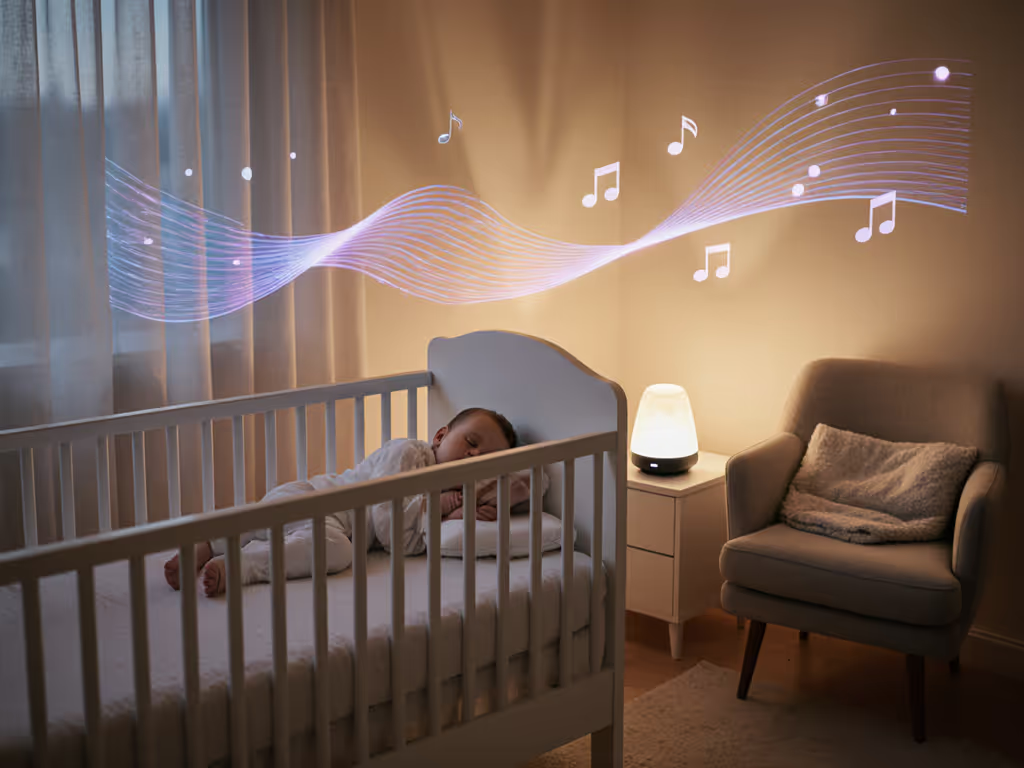
White noise represents a complex acoustic tool in infant care, simultaneously offering potential benefits and presenting nuanced risks for developing neurological systems. Acoustic science reveals that white noise functions as a sophisticated sound masking technique, creating a consistent auditory backdrop that can potentially soothe and stabilize infant sleep patterns. However, this seemingly simple sound technology demands careful, informed implementation to prevent unintended developmental consequences.
The therapeutic potential of white noise extends beyond simple sound management. Research demonstrates that controlled white noise can help mask disruptive environmental sounds, potentially reducing stress responses and supporting more consistent sleep cycles in infants. Neurologically, these sound profiles can create a predictable acoustic environment that helps young brains filter out sudden, jarring noises that might otherwise trigger heightened arousal or anxiety responses. Yet, the key lies in precise modulation - volume, duration, and spectral characteristics must be carefully calibrated to avoid potential hearing and developmental risks.
Critical considerations for white noise usage include:
- Sound Level Management: Maintaining volumes below 50 decibels
- Duration Control: Limiting continuous exposure
- Frequency Variation: Using diverse sound spectrums
- Placement Strategy: Positioning sound sources appropriately
- Regular Monitoring: Observing infant's physiological responses
Parents navigating white noise technologies should approach with scientific precision and intuitive care. By understanding the delicate balance between acoustic support and potential overstimulation, caregivers can transform white noise from a potential risk into a strategic tool for creating nurturing, developmentally supportive sound environments.
Protecting Infant Hearing Environments
Acoustic environment design represents a critical yet often overlooked aspect of infant developmental care. Parents and caregivers must recognize that an infant's hearing ecosystem is dramatically more sensitive and vulnerable than adult auditory systems. Every sound wave penetrating a baby's environment has potential neurological implications, making strategic noise management a fundamental component of responsible childcare.
Creating a protective acoustic landscape involves more than simply reducing volume. Scientific research demonstrates that infants require carefully curated sound environments that minimize sudden disruptions, maintain consistent background noise levels, and provide opportunities for clear speech comprehension. This nuanced approach goes beyond simple decibel reduction, focusing on creating sonic spaces that support cognitive development, language acquisition, and emotional regulation.
Key strategies for protecting infant hearing environments include:
- Sound Mapping: Identifying and mitigating high-noise zones
- Distance Management: Positioning noisy appliances away from infant spaces
- Material Selection: Using sound-absorbing fabrics and furnishings
- Technology Moderation: Limiting electronic device usage near infants
- Quiet Zone Creation: Designing dedicated low-noise areas
- Acoustic Monitoring: Using sound level meters to track environment
Proactive hearing protection transforms living spaces from potential acoustic hazards into nurturing developmental sanctuaries. By understanding the profound connection between sound environments and neurological growth, parents can create intentional spaces that support their infant's sensory development, cognitive processing, and long-term auditory health.
Protect Your Baby's Hearing With Science-Backed Solutions
Understanding how noise directly affects your baby's neurological and auditory development is the first step to creating a safer home environment. Excessive noise can cause hearing loss, delay speech, and disrupt cognitive growth. Parents who want to protect their little one's sensitive hearing need clear guidance based on real data and thoughtful analysis.
At our Acoustic Lab for Little Ears, we combine precise decibel measurements with real-home testing to offer environment-specific sound solutions that truly work. Discover how to create calm, nurturing soundscapes that guard against developmental risks while supporting healthy sleep and language acquisition. Explore our carefully selected options at Baby Sound Machines and take control of your baby’s auditory environment today. Don’t wait until noise becomes a problem. Check out our expert guides now and make your baby’s hearing health a priority.
Frequently Asked Questions
What are the effects of noise on infant hearing development?
Excessive noise exposure can lead to hearing loss, speech development delays, behavioral modifications, and cognitive processing challenges in infants. Noise interferes with critical language learning processes, affecting their ability to comprehend and process verbal communication.
What noise levels are considered safe for infants?
Safe noise levels for infants typically range between 45-50 decibels (dB). Specific recommendations include a maximum of 45 dB in Neonatal Intensive Care Units, below 50 dB in early childhood classrooms, under 40 dB in sleeping areas, and consistently below 55 dB in nursery environments.
How can I create a quiet environment for my baby?
To create a quiet environment, position noisy appliances away from infant spaces, use sound-absorbing materials, limit electronic device usage near infants, and designate low-noise areas. Regularly monitor sound levels to ensure they remain within safe limits.
What are the benefits and risks of using white noise for babies?
White noise can mask disruptive environmental sounds and potentially stabilize infant sleep patterns. However, it’s important to manage sound levels, limit duration, and use sound sources appropriately to prevent overstimulation and ensure infant hearing safety.
Recommended
Related Articles