Optimize Sound Machines for Baby Sleep Year-Round
By Hana Suzuki • 14th Dec
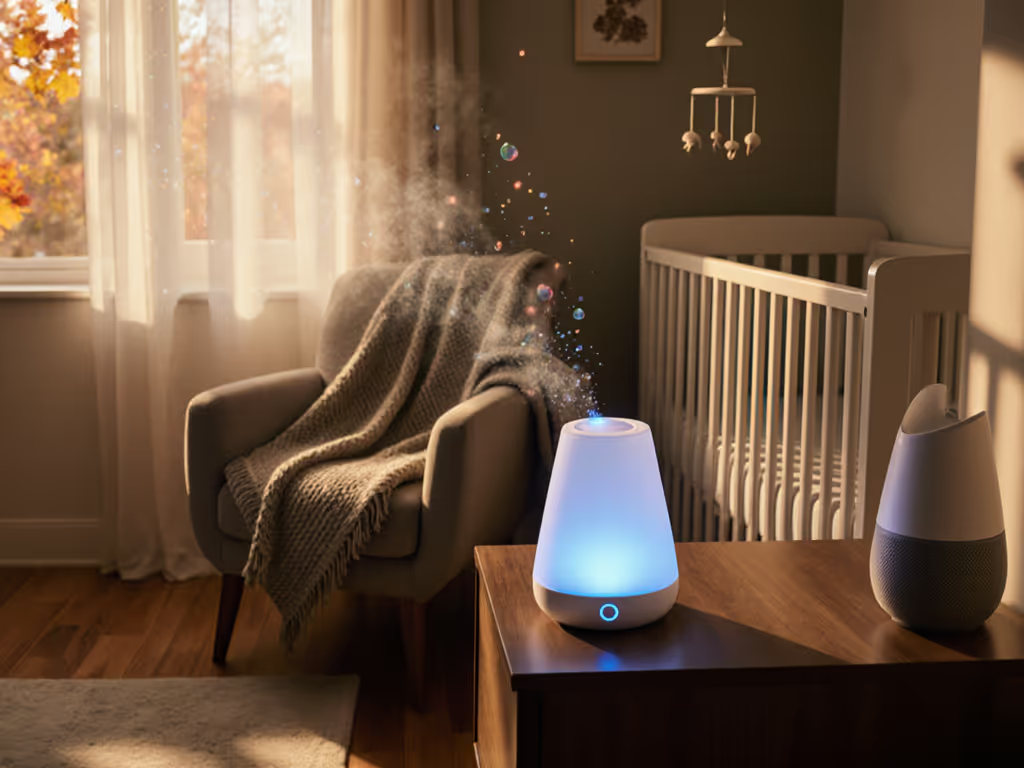
As parents, we've likely experienced how baby sleep seasonal changes can disrupt even the most established routines. When summer heat invites open windows or winter's chill seals rooms tight, your sound machine's effectiveness shifts dramatically. Understanding seasonal sound machine adjustments isn't just about comfort (it's about maintaining that fragile sleep architecture that keeps everyone sane). In our own studio apartment, we discovered that seasonal shifts aren't just about temperature; they transform how sound travels through space and interacts with environmental noise. Thoughtful design prevents noise before it starts, especially when that noise threatens precious sleep.
Why Seasonal Sound Matters for Infant Sleep
Sound doesn't behave consistently across seasons. Physics confirms that temperature impact on sound propagation significantly alters how white noise travels through your nursery. During winter months, cold air is denser, causing sound waves to travel faster and farther. This means your machine might seem louder at the crib even at the same volume setting. Conversely, warm summer air creates more resistance to sound waves, requiring subtle volume increases to maintain effective noise masking.
Humidity effects on white noise are equally critical. High humidity (common in summer) absorbs higher frequencies while allowing lower frequencies to travel farther. This explains why your brown noise setting might suddenly sound "boomy" in winter but thin in summer. Recent acoustics research shows that relative humidity changes of just 20% can alter perceived sound levels by 3-5 decibels at crib distance (enough to move from soothing to startling). For volume and placement specifics grounded in pediatric guidance, see our AAP volume and distance guide.

Summer Sound Strategy: Adapting to Open Windows and Heat
When summer arrives with its open windows and buzzing outdoor life, your sound machine faces new challenges. The summer vs winter nursery sound environment transforms dramatically:
- Adjust volume incrementally: Since warm air absorbs sound, you may need to increase volume by 10-15% compared to winter. Always verify at-crib levels using a decibel meter app (aim for 45-50 dB).
- Select deeper frequencies: Choose brown or pink noise over white noise when humidity is high, as they maintain masking effectiveness better in moist air.
- Address new noise sources: Position your machine to counter road noise from open windows, typically opposite the window, not beside it.
- Manage AC interference: Air conditioning units create low-frequency hum that can interact with your sound machine. Try shifting to slightly higher frequencies (like pink noise) to complement rather than compete.
For families with window units, remember that temperature fluctuations affect not just ambient noise but your machine's internal components. Plastic housings expand in heat, occasionally creating subtle rattles at certain frequencies. Listen critically at 3 a.m. when making summer adjustments (those tiny vibrations that go unnoticed during the day can become disruptive sleep stealers when the house is quiet).
Winter Sound Strategy: Sealed Rooms and Heating Noise
Winter's sealed environment creates its own acoustic challenges. With windows closed and heating systems running, the seasonal noise masking strategies must shift:
- Reduce volume slightly: Dense cold air carries sound more efficiently. Your winter volume setting might be 5-10% lower than summer to maintain the same 50 dB at-crib level.
- Counter HVAC noise: Forced-air heating creates intermittent low-frequency rumbles that can wake light sleepers. Combat this with a continuous brown noise setting that masks these irregular sounds.
- Address room acoustics: Dry winter air makes surfaces more reflective, causing sound to bounce rather than absorb. Add temporary soft surfaces (like a strategically placed blanket) to reduce echo in small nurseries.
- Check for electronic interference: Cold temperatures can cause subtle electrical fluctuations that manifest as faint buzzes in cheaper machines (listen for PWM flicker in LED displays that becomes audible in silent winter nights). For step-by-step fixes, see our crib-safe troubleshooting guide.
Quiet by design means anticipating how seasonal shifts affect every element of your sleep environment, not just temperature.
Pay special attention to cable routing in winter. That cord you neatly tucked under the rug in summer might now cross a floorboard prone to cracking with temperature changes. A wire shifted by thermal expansion could create subtle vibration noise that wasn't present before, another reason to favor simple wired units that eliminate battery-compartment rattles.
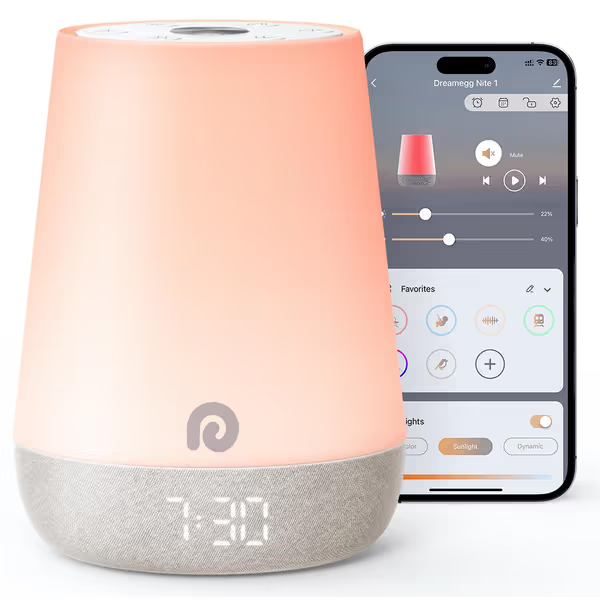
Dreamegg Baby Sound Machine
App-controlled sound machine with routines, night light for better baby sleep.
$29.99
Soothing Sounds34 (11 nature, 7 ambient, 6 white noise, 10 melodies)
Soothing Sounds34 (11 nature, 7 ambient, 6 white noise, 10 melodies)
Pros
Customizable routines build healthy sleep habits.
Versatile night light modes soothe babies.
Cons
Some users report device stopping unexpectedly.
Functionality receives mixed reviews.
Customers like the control options, with one mentioning the ability to control it from anywhere, and they appreciate the variety of sounds available.
Customers like the control options, with one mentioning the ability to control it from anywhere, and they appreciate the variety of sounds available.
Year-Round Optimization Checklist
Rather than treating seasonal adjustments as isolated events, establish a quarterly maintenance routine that ensures consistent performance:
- Conduct decibel spot checks: Monthly, measure sound levels at crib position using a reliable app. Remember that manufacturer specs rarely reflect real-room acoustics.
- Verify tactile feedback: If your unit has physical controls (which I strongly recommend), ensure dials maintain consistent resistance through seasonal humidity changes. Loose knobs or sticky buttons become frustrating during nighttime adjustments.
- Assess light leakage: That faint LED glow that seemed innocuous in summer's longer days becomes a significant sleep disruptor in winter's extended darkness. Check for lumen spill from any indicator lights.
- Evaluate noise loops: Seasonal dust accumulation can affect fan-based machines. Listen critically for subtle repeats or artifacts that develop as filters get clogged.
Design choices echo in the dark more than you think. The right unit minimizes the need for seasonal tinkering through thoughtful engineering (continuous sound without loops, physical volume dials with precise repeatability, and sealed components that maintain performance across temperature ranges). When I tested units for our studio apartment, I prioritized machines where I could make blind adjustments at 3 a.m. without waking our baby. That's why I favor the tactile satisfaction of a physical dial over touch panels that chirp with every accidental brush.
Creating Sustainable Sleep Year After Year
Seasonal adjustments shouldn't mean seasonal stress. By understanding how environmental factors affect sound performance and selecting equipment built for real-world conditions, you create a foundation for consistent sleep regardless of the calendar. The most effective approach combines scientific understanding of acoustics with practical, parent-tested implementation.
For deeper insights into maintaining optimal nursery environments regardless of season, explore our complete guide to environmental sleep factors, which includes seasonal-specific case studies and real-parent testing data. For a broader view of room, routine, and developmental variables, see our complete guide to factors affecting infant sleep. Remember that thoughtful design prevents noise before it starts, especially the kind that costs you precious sleep when you need it most.
Quiet by design isn't just about the product you choose; it's about how you integrate it thoughtfully into your ever-changing home environment. Your baby's sleep (and your own) will thank you for the extra consideration when the seasons shift.
Related Articles